

Personalized Family Name T Shirts: A Friendly Guide to Design, Print, and Care
Ever notice how a simple shirt can feel like a hug from the whole family?
We all love those moments when you pull on a tee and instantly think of backyard barbecues, Sunday brunches, or that goofy photo from last summer’s vacation.
So, what if you could capture that feeling forever with a personalized family name t shirt?
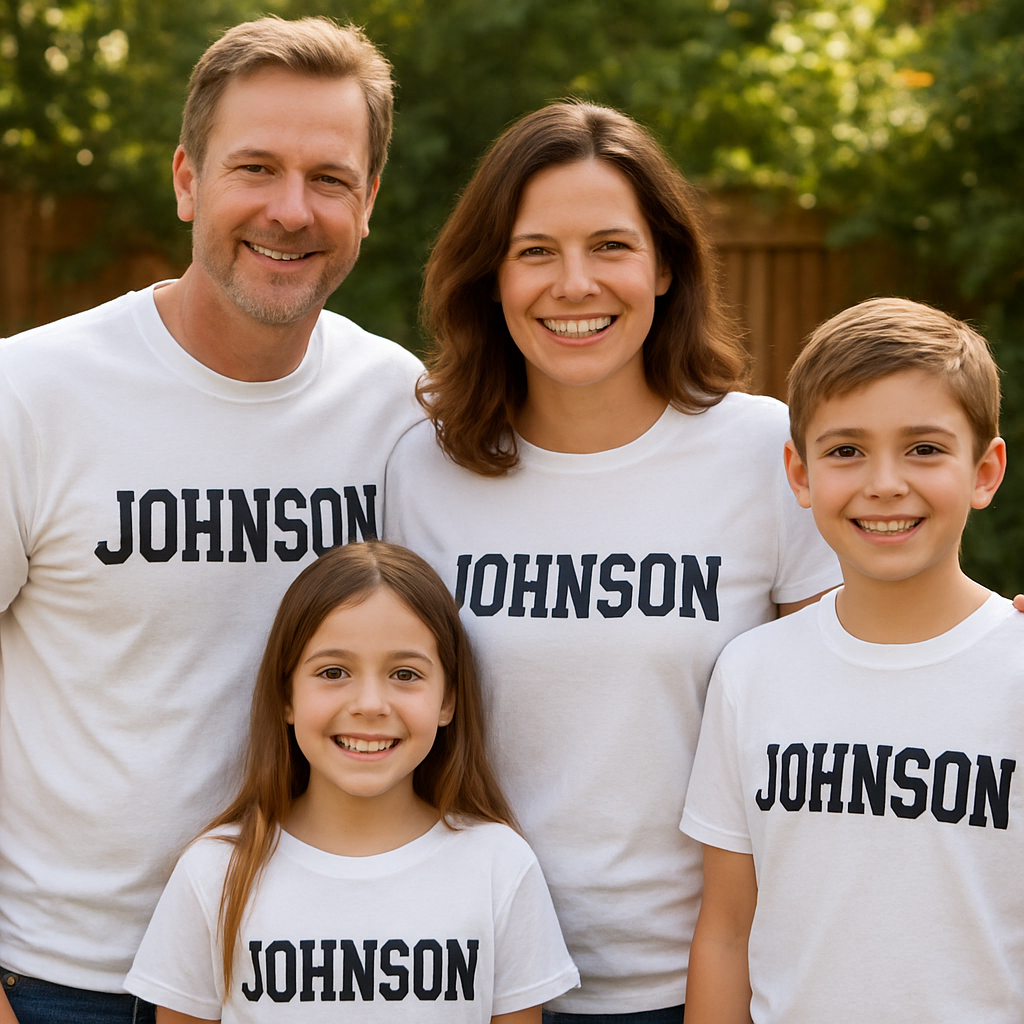
Imagine your kids’ faces lighting up when they see “The Johnsons” printed in a playful font across their chest, or your grandparents chuckling because the shirt reads “Smith Clan – United Since 1952.” That tiny detail turns an ordinary tee into a cherished memory.
In this guide, we’ll walk through why these shirts are more than just apparel—they’re tiny storytellers that bring relatives closer, spark conversations, and make gift‑giving a breeze.
First, let’s talk about the emotional pull. A family name on a shirt says, “We belong together,” without saying a word. It’s the same comfort you get from a familiar scent or a favorite song.
But you might wonder, “Is it really that easy to design something that looks good and lasts?” Absolutely. Modern print‑on‑demand services make it a snap to pick a style, choose colors that match your family’s vibe, and add that custom text—all with just a few clicks.
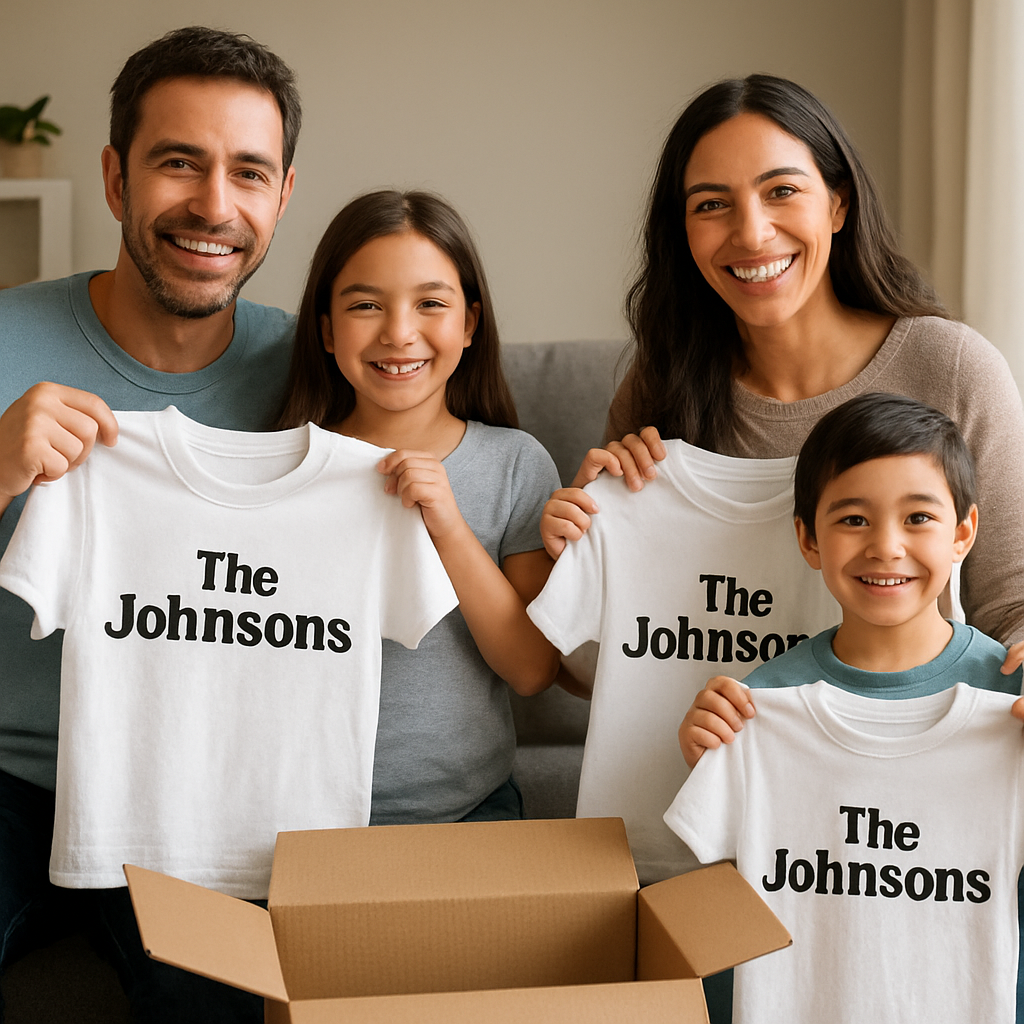
Here’s a quick mental picture: you’re scrolling through shirt styles, you spot a soft, breathable cotton tee, you type your last name, maybe add a tiny icon like a heart or a pine tree, and hit order. A few days later, the package arrives, you unwrap it, and the whole clan gathers for a mini “fashion show” in the living room.
Sounds fun, right? And it’s also practical. These shirts double as matching outfits for reunions, photo shoots, or even a casual Friday at work where you want to show a bit of pride.
Throughout the rest of this article, we’ll explore design tips, sizing tricks, care instructions, and creative ways to use personalized family name t shirts for every occasion.
Ready to turn your family’s name into a wearable keepsake? Let’s dive in.
TL;DR
Personalized family name t shirts transform ordinary tees into heartfelt keepsakes, letting you and your loved ones wear a shared story with just a few clicks.
This quick guide walks you through color choices, tiny icons, sizing tips, care tricks, and creative ideas so every shirt becomes a lasting memory for reunions or everyday pride.
Step 1: Choose a Design Theme
Alright, you’ve decided you want those personalized family name t shirts, but where do you start? The first decision that sets the tone for everything else is the design theme. Think of it as the mood board for your family’s new uniform.
Do you picture a laid‑back beach vibe or something more classic like a vintage script? The theme you pick will guide everything from font style to color palette, and even the tiny icons you might add.
Figure out the vibe you want
Grab a coffee, open a photo album, and ask yourself what feeling you want the shirts to evoke. Is it the carefree spirit of summer barbecues? Maybe a cozy cabin feel for winter reunions? Write that feeling down in one word – “sunny,” “rustic,” “playful,” or “elegant.” That single word becomes your North Star.
Once you have the word, browse a few design templates on your print‑on‑demand platform. You’ll notice some templates lean heavily on bold sans‑serif fonts, perfect for a modern, sporty look. Others use hand‑drawn scripts that scream nostalgia.
Pick colors that speak to your crew
Color is the silent communicator. If your family loves the outdoors, earth tones like olive, mustard, and warm brown might feel right. For a beach‑themed tee, think soft blues, coral, and sandy beige.
Pro tip: limit yourself to two main colors plus a neutral. Too many shades can make the design look chaotic, especially when you’re printing on cotton.
And don’t forget to check how the colors will appear on different shirt shades. A deep navy on a black tee looks like a shadow, whereas the same navy on a white tee pops.
Add a personal touch with icons
Small icons can turn a plain name into a story. A tiny pine tree, a wave, or a heart can hint at a shared hobby or a family tradition. If you’re into woodworking, you might love the handcrafted vibe from Poppas Wooden Creations – their rustic aesthetic can inspire a simple axe or tree silhouette on your shirt.
Need a quirky tagline? Some families sprinkle a short phrase underneath the name, like “Adventure Awaits” or “Since 1998.” Keep it short; you want it readable from a distance.
Test your design before you commit
Most services let you preview a mock‑up. Use that to see how the font, colors, and icons sit together. If it feels off, tweak one element at a time – maybe swap the font weight or adjust the icon size.
Ask a couple of family members for quick feedback. Their fresh eyes might spot a clash you missed. Remember, design is collaborative, just like the shirts themselves.
Where to find inspiration
If you’re stuck, check out creative communities like Midnight Scriber for design inspiration beyond the usual template libraries. Their blog showcases bold typography experiments that can spark a fresh direction.
And for a tech‑savvy edge, you might explore AI‑assisted design tools. Assistaix offers a free trial that can generate custom motifs based on simple prompts – perfect for a family crest or a playful doodle.
Now that you’ve narrowed down a vibe, colors, and optional icon, you’re ready to lock in the theme and move on to the next step: adding the family name and any extra text.
Take a moment to visualize the final product. Picture the kids running to the backyard, each wearing the same design, laughing as the sun sets. That mental picture will keep you motivated through any minor tweaks.
Feeling more confident about picking a theme? Great! The next part of the guide will walk you through the actual text placement, so you can ensure the name shines without getting lost in the design.
Step 2: Select Shirt Style and Fabric
Now that you’ve nailed the vibe, it’s time to pick the shirt that will actually wear the story. Think of this as choosing the canvas for a family portrait – the right style and fabric let the name shine without stealing the spotlight.
Start with the Fit You Want
Do you picture a relaxed, lived‑in tee that drapes gently over a dad’s shoulders, or a crisp, semi‑fitted shirt that looks sharp at a reunion photo? Your answer will guide you to classic crew‑neck, V‑neck, or even a lightweight polo.
Most print‑on‑demand shops, like heartful.gifts, offer a few staple options:
- Unisex crew‑neck (the safe‑bet for all ages)
- Women’s fitted tee (tucks in a bit for a flattering look)
- Polo shirt (great for a sporty family vibe)
Pick one that matches the occasion you have in mind. A backyard BBQ? Go loose. A family‑photo shoot? Maybe a tighter fit.
So, which fit feels right for your clan?
Fabric Matters More Than You Think
Here’s the thing: the fabric decides comfort, durability, and how the design actually looks after a few washes. Cotton is buttery soft and breathable – perfect for summer outings. If you’re after a little stretch and less shrinkage, a cotton‑poly blend does the trick.
For cooler climates, a heavier fleece or jersey can keep everyone cozy, and the ink tends to stay vivid on darker backgrounds.
Ask yourself: “Do we need something that survives a tumble dryer, or are we okay with a gentle hand‑wash routine?” That question will narrow your material choices fast.
Color Choices That Play Nicely With Fabric
Don’t treat shirt color as an after‑thought. A light, heather‑gray tee makes pastel fonts pop, while a deep navy makes a bold white or gold script pop like fireworks.
Pro tip: order a single sample swatch if the site lets you. Holding the fabric in your hand, looking at it in natural light, and even feeling the weight can save you from a “what‑was‑I‑thinking” moment later.
Ever grabbed a shirt that felt silky but turned out to pill after a week? Yeah, we’ve been there. That’s why checking the fabric description is non‑negotiable.
Special Features You Might Forget
Some platforms throw in extra options – like tag‑less labels (no itch), pre‑shrunken cuts (no surprise fit changes), or eco‑friendly inks that stay soft.
If you’re gifting grandparents, a tag‑less, pre‑shrunken tee can be a tiny comfort that shows you cared about the details.
Does your family care about sustainability? Look for organic cotton or water‑based inks – they’re kinder to the planet and often feel a bit softer.
Quick Decision Checklist
Before you click “add to cart,” run through this mental checklist:
- Fit: crew, V‑neck, polo, or fitted?
- Fabric: 100% cotton, cotton‑poly blend, fleece, or eco‑fabric?
- Color: light base for pastel, dark base for bright contrast?
- Extras: tag‑less, pre‑shrunken, sustainable inks?
If you can answer “yes” to each, you’re golden.
Real‑World Example
Imagine the Martinez family: they love hiking, so they chose a moisture‑wicking performance tee in a muted olive. The name “Martinez Clan – Trail Ready” is printed in a rugged sans‑serif, and the fabric’s quick‑dry property means the shirts survive a day on the trail and still look fresh for the evening campfire.
That little match between activity, fabric, and design turned a simple shirt into a functional family badge.
Ready to pick yours? Browse the style grid, feel the fabric descriptions, and trust that gut feeling you got from the design theme. When the shirt feels right, lock it in and move on to placement – the next step where you decide how big the name should be and where it lives on the tee.
Step 3: Add the Family Name to Your Design
Now that you’ve nailed the shirt style and fabric, it’s time to put the heart of the piece on – the family name.
Pick the Exact Text
Start by writing out exactly how you want the name to appear. Do you want “The Martinez Clan,” “Martinez Family,” or just “Martinez”? Maybe you’d like a tagline like “Adventure Awaits” tucked underneath. Write a few variations on a scrap of paper or in a notes app, then read them out loud. Which one makes you smile?
Pro tip: keep it short enough to stay legible on the tee, but long enough to feel personal. A single line works great on the chest, while a two‑line stack looks nice across the back.
Choose a Font That Matches Your Theme
If you chose a rustic farmhouse vibe in Step 1, a handwritten script or a weathered slab serif will echo that feeling. For a sporty look, a clean, bold sans‑serif keeps the name sharp and readable.
Most design tools let you preview the text in real time. Toggle between a few fonts and watch the name shift personality. The one that makes you say “yeah, that’s us” is your winner.
Size It Right
Here’s a quick rule of thumb: aim for the name to cover about 30‑40 % of the shirt’s width. On a standard adult tee that’s roughly 8‑10 inches across. If you’re designing for kids, shrink the width proportionally.
Don’t forget to check how the text looks on both light and dark shirt colors. A dark font on a navy tee will vanish, while a light font on a white tee can look washed out. Most platforms show a contrast warning – use it.
Placement Options
Chest center is the classic choice – it’s the first thing people see. But you can get playful: try a small name over the left chest pocket area, or a larger block across the back for that “family banner” vibe.
Think about where the name will sit when the shirt is layered under a jacket or a sweater. A lower back placement can stay hidden until you want to reveal it, adding a little surprise factor.
Test the Preview
Before you hit “order,” zoom in on the preview. Look for any stray letters, spacing issues, or awkward line breaks. If the tool lets you rotate the mock‑up, give it a spin – you’ll see how the design reads from different angles.
And here’s a little trick: take a screenshot, print it on a regular piece of paper, and hold it up to the shirt in natural light. Does the font still feel right? Does the size look balanced? If anything feels off, adjust now – it’s easier than sending a return.
Save Your Settings
Once you’re happy, lock in the design. Most sites let you save a draft, so you can come back later if you’re not quite ready to order. Give the draft a name like “Martinez Clan – Trail Ready” so you can find it fast.
Remember, this step is where the shirt truly becomes “yours.” The name you choose, the way it looks, and where it lives on the tee will turn a plain piece of fabric into a family heirloom you’ll wear again and again.
Ready to move on? The next step is all about fine‑tuning placement and size – think about how big the name should be and exactly where it should sit on the shirt. Let’s make sure that “personalized family name t shirts” you’re about to order look perfect the first time around.
Step 4: Choose a Printing Method
Alright, you’ve picked the perfect fabric and nailed the name. Now comes the part that actually makes the design stick – literally. Choosing the right printing method decides whether your personalized family name t shirts will stay vibrant after the first wash or fade like an old photo.
There are three main ways most print‑on‑demand services handle ink on fabric: screen printing, direct‑to‑garment (DTG), and heat‑transfer vinyl. Each has its own sweet spot, cost curve, and quirks. Let’s break them down so you can pick the one that feels right for your family’s vibe.
Screen Printing – The Classic “Bulk” Champion
Screen printing pushes ink through a mesh stencil onto the shirt. It’s the go‑to for large orders because the setup cost spreads out over dozens or hundreds of tees. If you’re planning a reunion where every cousin gets a shirt, screen is usually the cheapest per‑shirt.
Pros: bold colors, durability, excellent for simple solid‑color logos or names. Cons: each color adds a new screen, so multi‑color designs get pricey fast. Also, intricate gradients can look blocky.
Real‑world example: the Martinez clan ordered 30 shirts for a weekend hike. They chose a single dark‑green ink on olive tees, and the shirts survived a muddy trek without any cracking.
Direct‑to‑Garment (DTG) – Photo‑Quality Flexibility
DTG works like a giant inkjet that sprays pigment directly onto the fabric. It shines when you want a detailed script, a subtle gradient, or a tiny icon next to the family name.
Pros: limitless colors, no setup fees, great for small batches (even one‑off). Cons: works best on cotton‑rich fabrics; on dark shirts you need a white underbase, which can add cost. The print can feel softer but may fade quicker after many washes.
Take the Nguyen family, who wanted a soft pastel script on a white tee for a baby shower. DTG let them layer a faint watercolor splash behind the name without breaking the bank.
Heat‑Transfer Vinyl (HTV) – The DIY‑Friendly Option
HTV uses a thin sheet of colored vinyl that’s cut to shape, then heat‑pressed onto the shirt. It’s popular for small runs and designs that need a raised, tactile feel.
Pros: crisp edges, works on dark and light fabrics alike, easy to order as a single piece. Cons: limited to solid colors, and the vinyl can feel a bit plasticky if you’re not used to it.
When the Patel grandparents wanted the family name in a metallic gold script on navy shirts, HTV gave them that luxe shine without a huge price jump.
How to Decide – A Quick Checklist
1️⃣ Quantity – Are you printing 5 shirts or 50? 2️⃣ Color complexity – One solid color or a rainbow of shades? 3️⃣ Fabric – 100% cotton, blend, or polyester? 4️⃣ Longevity – Do you need the design to survive weekly washes?
Answering those four questions usually narrows it down to a single method. If you’re still on the fence, try ordering a single sample from each method. Feel the weight, test the wash, and see which one makes you smile.
Actionable Steps to Choose Your Method
Step 1: Open your favorite print‑on‑demand platform and locate the “Printing Method” dropdown.
Step 2: Select “Screen Print” if you’re ordering 20+ shirts with 1‑2 colors. Choose “DTG” for detailed scripts or multi‑color artwork under 15 pieces. Pick “Heat‑Transfer Vinyl” for a raised look or metallic finishes.
Step 3: Review the price breakdown. Most sites will show a per‑shirt cost next to the method – compare that to your budget.
Step 4: Read the platform’s material guide (they often note which fabrics pair best with each method). If you need a refresher, check out how to create a personalized photo t‑shirt that looks great for a deeper dive on fabric‑friendly printing.
Step 5: Place a single‑shirt test order. When it arrives, wash it with cold water, tumble dry low, and see how the ink holds up. If it survives, you’re good to go.
Bonus Tip: Pairing Shirts with a Thoughtful Gift
Family shirts make a memorable present, but you can up the wow factor by adding something that complements the theme. A set of handcrafted wooden toys from Poppa's Wooden Creations pairs beautifully with a cozy reunion tee – the kids get a toy, the adults get a shirt, and everyone feels the love.
Comparison Table
| Method | Ideal Use | Key Pros / Cons |
|---|---|---|
| Screen Printing | Large batches, solid colors | Bold durability, low per‑shirt cost – expensive for many colors |
| Direct‑to‑Garment (DTG) | Small runs, detailed scripts, gradients | No setup fees, unlimited colors – best on cotton, may fade faster |
| Heat‑Transfer Vinyl (HTV) | Special finishes, raised look, dark fabrics | Sharp edges, works on any color – limited to solid colors, slightly plasticky feel |
Now that you know the pros and cons, you can pick the method that matches your family’s style, budget, and longevity needs. With the right printing technique, those personalized family name t shirts will become the go‑to outfit for every reunion, photo shoot, or lazy Sunday backyard barbecue.
Step 5: Order and Care for Your Shirts
Alright, you’ve nailed the design, picked the fabric, and chosen a printing method. Now it’s time to actually get those personalized family name t shirts in your hands – and make sure they stay looking fresh for every reunion, photo shoot, or backyard BBQ.
Before we dive into the nitty‑gritty, picture this: you open a small box, pull out a soft tee that smells faintly of fresh cotton, and the family name pops just the way you imagined. That moment of “yes, this is perfect” is what we’re aiming for.
Confirm Your Size and Fit
Even the best design looks off if the shirt doesn’t fit. Most print‑on‑demand sites give a size chart that shows flat measurements – not the full circumference. Take a minute to compare those numbers with a shirt you already own.
If you’re between sizes, the safe bet is to size up. A slightly roomier tee still looks polished, and it gives the fabric a little breathing room after a few washes.
Pro tip: grab a friend’s shirt that fits well, lay it flat, and measure the chest width from seam to seam. Match that to the chart and you’ll avoid the dreaded “shrunk after the first wash” drama.
Place the Order
Now that you know the right size, add the shirt to your cart. Double‑check the preview – zoom in, flip the mockup, and make sure the name isn’t cut off at the edges.
Most platforms let you save the design as a draft, so you can come back later if you’re not ready to click “Buy”. When you’re certain, hit the order button and choose a delivery speed that works for your timeline (standard shipping is fine for most family events).
Because these are custom pieces, they’re made to order and usually ship within 1–2 business days. Keep an eye on the estimated arrival window at checkout, especially around holidays.
When the Box Arrives
Take a quick inventory: is every shirt accounted for? Does the print look crisp? If anything looks off, snap a photo and reach out to customer service right away – most shops will replace a faulty print.
Most customers report that the fabric feels lightweight and soft, which makes them perfect for hot days at the park or a breezy patio dinner. One reviewer even said the shirts felt “just right for a plane ride to Disneyland” – a good reminder that they’re travel‑friendly.
Care Routine to Keep Colors Fresh
Here’s where the magic stays alive: wash inside out on a gentle cycle, use similar colors, skip chlorine bleach, and don’t iron directly on the print. The Amazon listing notes that these shirts are printed with Direct to Film (DTF) and sealed with a professional‑grade heat press, which gives the design durability when you follow the proper care steps.according to the product details, washing inside‑out and avoiding high heat are key.
After washing, tumble dry on low or hang dry to prevent shrinkage. If you need to iron, place a thin cloth over the print – that way you keep the artwork crisp without melting the ink.
And a little extra love: store the shirts folded, not hanging, to avoid stretching the neck seam. A quick lint‑roller before each wear keeps them looking showroom‑ready.
Quick Checklist Before You Hit “Buy”
- Verify size using flat measurements.
- Confirm the design preview is exactly how you want it.
- Choose a shipping speed that aligns with your event date.
- Plan to wash inside‑out on a gentle cycle, avoid bleach, and low‑heat dry.
- Keep the receipt and photos of the printed shirt in case a replacement is needed.
Following these steps means you’ll get a set of shirts that not only look amazing the first time you wear them but also stand up to countless family gatherings. So go ahead, place that order, and get ready to see the smiles when everyone pulls on their matching personalized family name t shirts together.
Conclusion
So there you have it—personalized family name t shirts aren’t just a cute idea, they’re a simple way to turn everyday moments into lasting memories.
We walked through picking a vibe, choosing the right fabric, getting the name just right, and picking a printing method that won’t fade after the first wash.
Remember the quick checklists: size up if you’re between sizes, wash inside‑out on gentle cycles, and store folded to keep the neckline happy.
A small habit like a lint‑roller before each outing can keep the design looking showroom‑ready, and a single test shirt lets you see the feel before you order a whole batch.
When the shirts finally arrive, picture the smiles as everyone pulls them on together—that’s the payoff you’ve been designing for.
If you’re ready to turn your family’s name into a wearable keepsake, head over to heartful.gifts and start your design today. A few clicks, a little love, and you’ll have matching tees that become the backdrop for countless future gatherings.
And don’t forget: the joy isn’t just in the shirt itself, but in the conversations it sparks—‘Whose family is this?’ becomes a warm invitation to share stories, photos, and the next family adventure. So go ahead, make that first order and watch the magic unfold.
FAQ
What exactly are "personalized family name t shirts" and how do they differ from regular tees?
Personalized family name t shirts are custom‑made garments where you add your family’s surname—or a special tagline—directly onto the fabric. Unlike a standard tee that comes blank, these shirts let you choose the font, color, placement, and even a tiny graphic that tells a story about your clan. The result feels like a shared badge of belonging, turning an everyday piece of clothing into a keepsake you’ll want to wear at reunions, birthdays, or even casual weekends.
How do I pick the right font and size for my family name?
Start by thinking about the vibe you want: a playful script works for a laid‑back family, while a bold sans‑serif feels sporty. Most design tools let you preview the text on both light and dark shirts, so toggle between them. Aim for the name to cover roughly 30‑40% of the shirt’s width—about 8‑10 inches on an adult tee. If you’re ordering for kids, scale it down proportionally. Test the preview by printing a quick mock‑up on paper; hold it up to the shirt and see if the spacing feels balanced.
Which printing method should I choose for durability?
Three main methods exist: screen printing, direct‑to‑garment (DTG), and heat‑transfer vinyl (HTV). Screen printing is rock‑solid for large batches and solid colors—great if you’re ordering 20+ shirts. DTG shines with detailed scripts or multi‑color designs and works well for small orders. HTV adds a raised, tactile feel and works on dark fabrics, but is limited to solid colors. For most families ordering a handful of tees, DTG offers the best mix of detail and cost, while screen printing is the go‑to for big reunions.
Do I need to worry about the shirts shrinking after the first wash?
Most reputable print‑on‑demand shops pre‑shrink their fabrics, but a tiny bit of shrinkage can still happen, especially with 100% cotton. To minimize surprise, check the product description for “pre‑shrunk” or “pre‑washed” labels. When you wash, turn the shirts inside out, use a gentle cycle, and tumble dry on low or hang dry. That routine keeps the fit consistent and protects the printed name from fading.
Can I order a sample before committing to a whole batch?
Absolutely—most platforms let you order a single prototype. This is a smart move because you get to feel the fabric, see the exact color match, and test the print’s softness. Once the sample arrives, try it on, wash it, and see how the design holds up. If everything feels right, you can confidently place the larger order knowing you won’t end up with shirts that look or feel off.
How long does it take to receive my personalized family name t shirts?
Because these tees are made to order, production typically takes 1‑2 business days. After that, standard shipping adds another 3‑5 days, though many shops offer expedited options if you need them for a specific event. Keep an eye on the estimated delivery window at checkout, especially around holidays, and consider ordering a week or two ahead of your family gathering to avoid any last‑minute stress.
What are the best ways to keep the design looking fresh for years?
First, always wash inside out on a gentle cycle and skip harsh bleach. Use cold water and low‑heat drying—high heat can break down the ink bond. Store the shirts folded rather than hanging to protect the neckline and prevent stretching. A quick lint roller before each wear keeps the surface pristine, and if you notice any minor fading, a brief iron on low heat with a cloth barrier can revive the print without damaging it.