

Thoughtful Gifts: Creating Lasting Memories for Loved Ones
Finding the perfect gift is a challenge almost every young adult knows too well. With over 60 percent of recipients valuing thoughtfulness above price, the pressure to choose something truly personal feels intense, especially around special occasions. Whether you are searching for british-inspired treasures or unique keepsakes for friends and family in Central Europe, understanding what makes gifts meaningful can help you avoid common pitfalls and select options that spark real connection.
Table of Contents
- Defining Thoughtful Gifts and Common Misconceptions
- Types of Thoughtful Gifts and Personalisation
- Key Qualities That Make Gifts Meaningful
- Emotional Impact on Recipients and Relationships
- Pitfalls to Avoid When Giving Thoughtful Gifts
Key Takeaways
| Point | Details |
|---|---|
| Emotional Understanding is Key | Thoughtful gifts stem from genuine insight into the recipient’s emotional landscape and desires, rather than mere monetary value or complexity. |
| Personalisation Enhances Connection | Personalised gifts significantly enhance the emotional impact, showing deep knowledge and understanding of the recipient. |
| Avoid Common Pitfalls | Prioritising the recipient’s preferences and avoiding superficial aspects like price or elaborate presentation is crucial for meaningful gift-giving. |
| Gift-giving as a Communication Tool | Each gift serves as a nuanced communication channel that can deepen emotional connections and reinforce relationships. |
Defining Thoughtful Gifts and Common Misconceptions
Gift-giving transcends mere material exchange, representing a profound social mechanism for expressing connection and emotional understanding. Contrary to popular belief, a truly thoughtful gift is not about monetary value or elaborate complexity, but about demonstrating genuine insight into the recipient’s personality, desires, and emotional landscape.
Research reveals a fascinating psychological phenomenon where gift-givers frequently misunderstand recipient preferences. Gift-giving studies demonstrate a significant asymmetry between giver and recipient expectations, showing that individuals tend to overestimate the importance of gift complexity and effort. This means that an intricate, expensive present might actually be less appreciated than a simpler gift that directly reflects the recipient’s interests or emotional needs.
Understanding gifts as social transactions requires moving beyond transactional perspectives. Contemporary research conceptualises gift-giving as a nuanced institutional practice critical to social connectivity, challenging traditional economic interpretations of reciprocity and obligation. Thoughtful gifting involves deep empathy, careful observation, and a genuine desire to create meaningful emotional connections.
Pro tip: Before selecting a gift, spend time genuinely listening to and observing your loved one’s recent conversations, interests, and subtle hints about their desires and emotional landscape.
Here’s a concise comparison of thoughtful gifts and less personal options:
| Aspect | Thoughtful Gifts | Generic Gifts |
|---|---|---|
| Emotional Connection | Deep and personal | Often superficial |
| Recipient Appreciation | Usually high | May be indifferent |
| Memorability | Creates lasting memories | Rarely remembered |
| Giver’s Insight Needed | Requires empathy | Minimal required |
Types of Thoughtful Gifts and Personalisation
Personalised gifts represent a transformative approach to gift-giving, moving beyond generic presents to create deeply meaningful connections. Research from leading universities reveals that customised gifts can evoke powerful emotional responses and significantly enhance recipient self-esteem, demonstrating the profound psychological impact of thoughtful personalisation.
Different types of personalised gifts cater to various emotional needs and relationships. These might include customised photo collections capturing shared memories, bespoke artwork reflecting individual passions, engraved items that commemorate special moments, or tailored experiences designed around the recipient’s unique interests. The key is selecting a gift that communicates genuine understanding and emotional investment rather than simply purchasing an expensive or trendy item.

Creating a truly personalised gift requires careful observation and empathetic insight. This involves understanding the recipient’s personality, tracking their recent conversations, noting their unexpressed desires, and identifying subtle details that reveal their deepest emotional connections. A personalised gift is not just about adding a name or date, but about crafting an experience that resonates with the individual’s core identity and emotional landscape.
Pro tip: When personalising a gift, focus on creating an emotional narrative that speaks directly to the recipient’s unique experiences and innermost feelings, rather than simply adding superficial customisation.
Key Qualities That Make Gifts Meaningful
A comprehensive analysis of meaningful gift-giving reveals that truly exceptional gifts transcend mere material transactions, becoming powerful emotional experiences that connect deeply with the recipient’s life journey. The most profound gifts are not measured by their price tag, but by their ability to create lasting memories and demonstrate genuine understanding of the recipient’s inner world.
Research identifies five critical qualities that elevate a gift from ordinary to extraordinary. These transformative characteristics include thoughtfulness, uniqueness, element of surprise, practical utility, and emotional resonance. A meaningful gift demonstrates meticulous attention to the recipient’s unspoken desires, captures their personality essence, and communicates a narrative that goes far beyond the physical object itself.
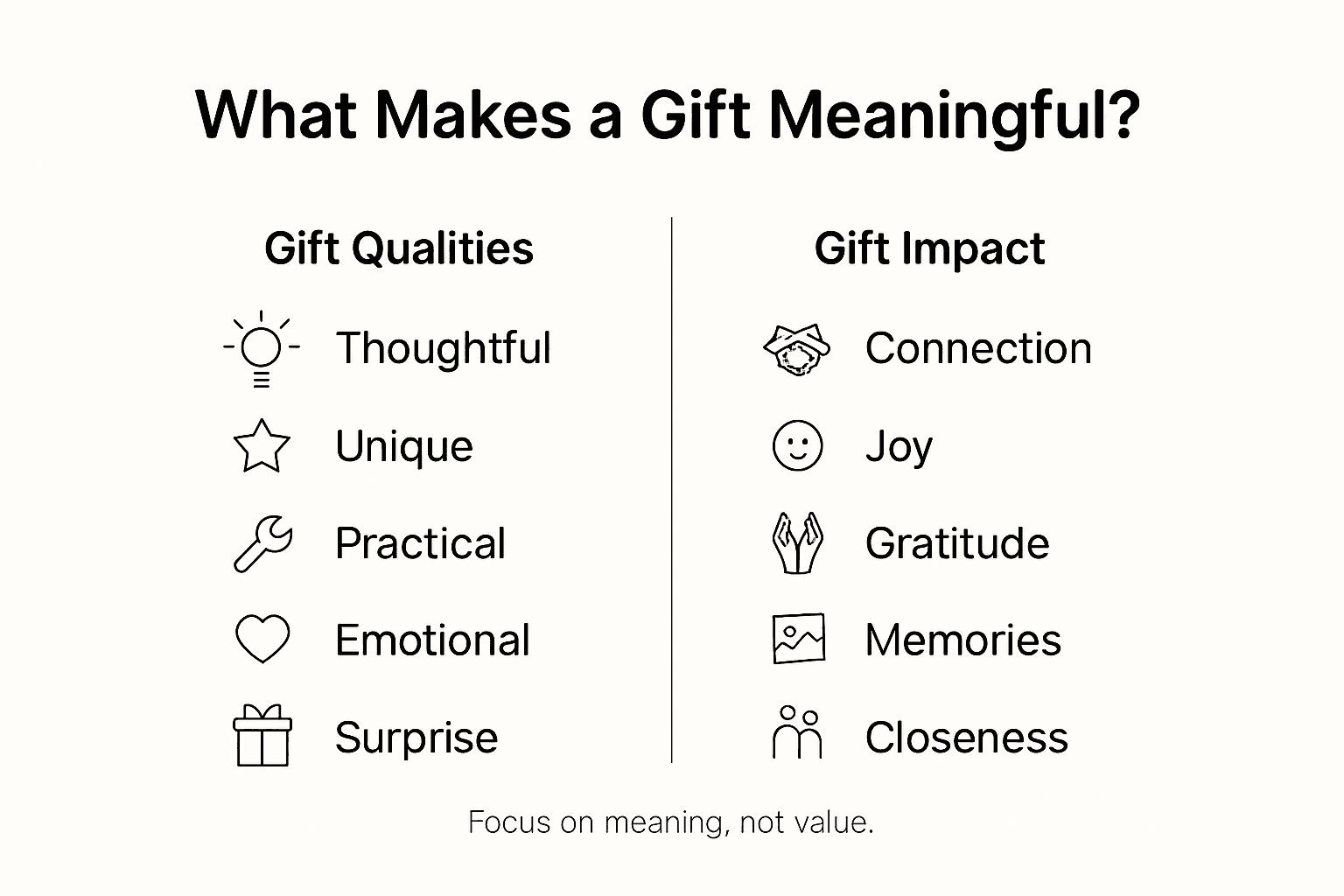
Understanding these qualities requires emotional intelligence and empathetic observation. The most impactful gifts are those that reflect deep knowledge of the recipient’s aspirations, challenges, and private dreams. They are not generic selections, but carefully curated experiences that acknowledge the recipient’s individuality, celebrate shared memories, and potentially mark significant life transitions or personal achievements.
Pro tip: Invest time in understanding the recipient’s emotional landscape, observing their subtle interests and unexpressed longings, rather than rushing to purchase a standardised gift.
Emotional Impact on Recipients and Relationships
Gift-giving represents a profound psychological exchange that extends far beyond the physical object being transferred. Each carefully chosen gift serves as a nuanced communication channel, transmitting complex emotional messages about the relationship between giver and recipient, revealing depths of understanding, appreciation, and emotional connection that words alone cannot express.
The emotional resonance of a gift can fundamentally transform interpersonal dynamics. Thoughtful presents create powerful psychological bridges, reinforcing emotional bonds by demonstrating genuine empathy, attentiveness, and commitment to understanding another person’s inner world. When recipients recognise the emotional labour invested in selecting their gift, they experience a sense of being truly seen and valued, which strengthens relational trust and intimacy.
Understanding the emotional landscape of gift-giving requires recognising that different relationships demand unique emotional approaches. Family gifts might emphasise shared history and continuity, romantic gifts could highlight intimacy and personal knowledge, while friendship gifts often celebrate mutual understanding and shared experiences. The emotional intelligence displayed in gift selection communicates volumes about the depth and quality of the relationship, potentially healing past wounds or marking significant relational milestones.
Pro tip: Approach gift-giving as an opportunity for emotional communication, focusing on the message and feelings you wish to convey rather than simply selecting an expensive or trendy item.
Pitfalls to Avoid When Giving Thoughtful Gifts
Gift-giving research reveals a critical psychological asymmetry between givers and recipients, where individuals often misjudge the emotional impact of their presents. The most common mistake is prioritising elaborate presentation or personal perception over genuine understanding of the recipient’s authentic desires and emotional landscape.
Several key pitfalls can undermine the thoughtfulness of a gift. These include selecting presents based on personal preferences rather than the recipient’s tastes, overcomplicating gifts with unnecessary embellishments, focusing excessively on monetary value, and failing to consider the practical utility or emotional significance of the item. Many well-intentioned givers mistakenly believe that complexity or expense automatically translates to meaningful appreciation.
Navigating gift-giving successfully requires emotional intelligence and empathetic observation. This means moving beyond surface-level assumptions and investing time in understanding the recipient’s unspoken needs, subtle interests, and emotional context. Recognising that a truly thoughtful gift is about connection, not performance, helps avoid the trap of selecting gifts that ultimately feel impersonal or disconnected from the recipient’s genuine self.
Below is a summary of potential pitfalls when selecting gifts, with suggested strategies to avoid them:
| Common Pitfall | Possible Consequence | How to Avoid |
|---|---|---|
| Overspending for impression | Missed genuine value | Focus on meaning |
| Choosing based on own taste | Recipient feels misunderstood | Prioritise recipient’s view |
| Complex or impractical gifts | Limited practical use | Consider recipient’s needs |
| Neglecting emotional relevance | Gift lacks resonance | Observe emotional signals |
Pro tip: Always prioritise emotional understanding and genuine connection over superficial gift characteristics like price or elaborate packaging.
Make Every Gift a Meaningful Memory with Personalised Touches
The challenge of giving truly thoughtful gifts lies in capturing the recipient’s unique personality and emotional landscape. This article highlights how meaningful gifts require deep empathy and personalised insight rather than generic or costly items. If you want to avoid common pitfalls like choosing gifts based on your own tastes or focusing on price over emotional resonance, you need a way to reflect the recipient’s individuality clearly and lovingly.
At Heartful.gifts, we understand the importance of thoughtful gifting. Our specially curated collection of personalised phone cases offers you the chance to create lasting memories for your loved ones by combining unique designs with customisation options that speak directly to their interests and experiences. Whether it is cityscapes that evoke a shared memory or artistic collages that celebrate an inner passion, these gifts demonstrate true emotional connection and care.
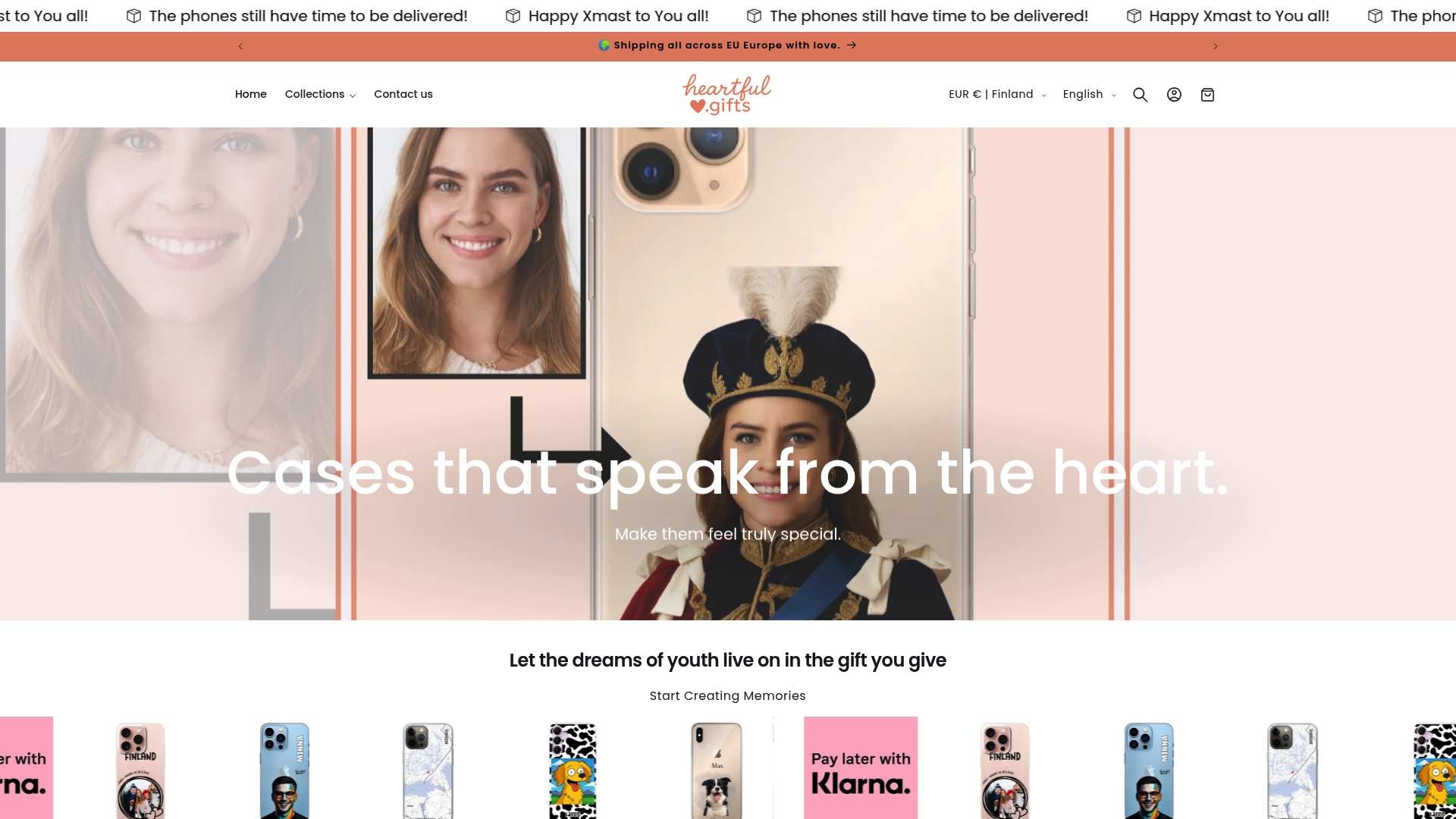
Discover how easy it is to express your affection with meaningful gifts today at Heartful.gifts. Browse our personalised collections and embrace the joy of giving something truly special. Make your next gift a testament to genuine understanding and create the lasting bonds described throughout the article. Don’t wait — thoughtful gifting starts here.
Frequently Asked Questions
What makes a gift thoughtful?
A thoughtful gift demonstrates genuine insight into the recipient’s personality, emotional needs, and interests, rather than being defined by its monetary value or complexity.
How can I personalise a gift for someone?
To personalise a gift, observe the recipient’s recent conversations, interests, and unexpressed desires. Focus on creating an emotional narrative that resonates with their unique experiences.
What qualities should I look for in a meaningful gift?
Look for qualities such as thoughtfulness, uniqueness, an element of surprise, practical utility, and emotional resonance. These traits help transform a gift into a memorable experience.
What common mistakes should I avoid when giving gifts?
Avoid pitfalls such as overspending for impression, choosing based on your own taste rather than the recipient’s, overcomplicating gifts, and neglecting the emotional relevance of the gift.
Recommended
- Creative Custom Wedding Gift Ideas to Wow Every Couple – heartful.gifts
- Creative Custom Wedding Gift Ideas to Wow Every Couple – heartful.gifts
- Thoughtful Ways to Choose a Personalized Garden Stone Memorial Gift – heartful.gifts
- Meaningful Ways to Honor Loved Pets with a Personalized Pet Memorial G – heartful.gifts