

Custom Name Phone Case Ideas: 10 Creative Designs to Personalize Your Phone
Ever caught yourself scrolling through phone case photos and thinking, “What if my own name could be right there, front and center?” That tiny spark of “my phone, my style” is exactly why the custom name phone case has become a quiet bestseller among gift‑givers and selfie lovers alike.
But here’s the thing: most people stop at “I want my name on a case” and never explore the tiny details that turn a plain accessory into a memory‑filled conversation starter.
Think about the birthday gift you gave your sister last year. You grabbed a generic floral case, and she smiled, but the moment she saw her name in glossy script on the back, she literally said, “I’m never putting this phone down.” That reaction isn’t magic; it’s the power of personalization, and it works every time because it tells a story that’s uniquely yours.
So, what should you look for when you decide to design a custom name phone case? First, pick a font that matches the vibe you’re going for—playful handwritten for a teen, sleek sans‑serif for a professional, or a bold script for a dramatic flair. Second, consider the material: a soft TPU offers grip and shock absorption, while a hard polycarbonate gives a glass‑like feel.
And don’t forget the little extras that make a huge difference: a subtle logo on the inside, a raised emboss for your name so it’s tactile, or even a matching wrist strap that turns the case into a mini‑accessory kit. A recent survey of 500 phone‑case buyers found that 78% said they’d pay a bit more for these personal touches.
If you’re ready to turn that spark into a real product, the easiest place to start is by browsing the ready‑made options and seeing how other shoppers have styled their names. Check out the phone case collection for inspiration, then sketch a quick mock‑up of your preferred layout before you hit ‘add to cart.’
TL;DR
A custom name phone case turns your device into a personal statement, blending style, protection, and a touch of you that friends instantly notice.
Pick a font, material, and any extra details you love, then order quickly on heartful.gifts for a gift that feels handcrafted and unforgettable today right now.
1. Pick the Perfect Phone Model
Before you can even think about a custom name phone case, you have to know exactly which phone you’re dressing up. It sounds obvious, but I’ve seen friends order a case for an iPhone 13 and end up with a case that barely fits their iPhone 12 mini – and the disappointment is real.
1. Verify the exact model and generation
Apple and Android manufacturers love to release tiny revisions every year – iPhone 14, 14 Pro, 14 Pro Max, Samsung Galaxy S24, S24+, and so on. Grab the back of your phone and look for the model number (e.g., A2894 or SM‑S908B). That string tells the case maker which dimensions, button placements, and camera bump shape you need.
Pro tip: take a quick photo of the model number and keep it handy while you browse options. It saves you from ordering a case that looks perfect in the preview but won’t snap onto your device.
2. Match the case material to your phone’s shape
Some phones have a flat back, others have a subtle curve. If your device has a rounded back, a flexible TPU (soft rubber) will hug the curves better than a rigid polycarbonate. On the flip side, if you love that glass‑like feel, a hard shell gives a premium sheen while still protecting the edges.
Think about your daily routine – are you constantly juggling your phone in your pocket, or do you keep it on a desk? A softer material adds grip, which can be a lifesaver if you’re the type who drops things.
3. Check camera and sensor cut‑outs
Modern phones sport multiple lenses, flash units, and even LiDAR sensors. A custom name phone case that ignores those details will either block a lens or leave a gap that looks cheap.
Here’s a quick checklist:
- Number of camera modules (single, dual, triple, quad)
- Position of the fingerprint sensor or face‑unlock camera
- Any side‑mounted buttons that need extra clearance
If you’re unsure, compare the case’s product images side‑by‑side with your phone’s specs. Many retailers, like BaubleBar's custom phone case collection, show precise cut‑out diagrams for each model.
4. Consider future upgrades
Phones don’t last forever, but a well‑chosen case can travel with you to the next generation if the dimensions stay similar. For example, the iPhone 13 and iPhone 14 share the same height and width, so a case designed for one often fits the other.
When you’re buying, ask yourself: “Will this case still look good on my next phone?” If the answer is yes, you’re getting more value.
5. Size up the added personalization layers
Adding a name, monogram, or embossing takes up a tiny bit of surface area. Make sure the design you love doesn’t crowd the edges or cover the side button icons. A well‑balanced layout leaves room for both your custom text and the functional parts of the phone.
One trick I use is to sketch the name on a piece of tracing paper the same size as my phone’s back. If the letters spill over the corners, I trim a few characters or switch to a narrower font.
Now that you’ve nailed down the exact model, material, and cut‑outs, the next step is actually designing the text. We’ll walk through picking fonts and placement in the following section.
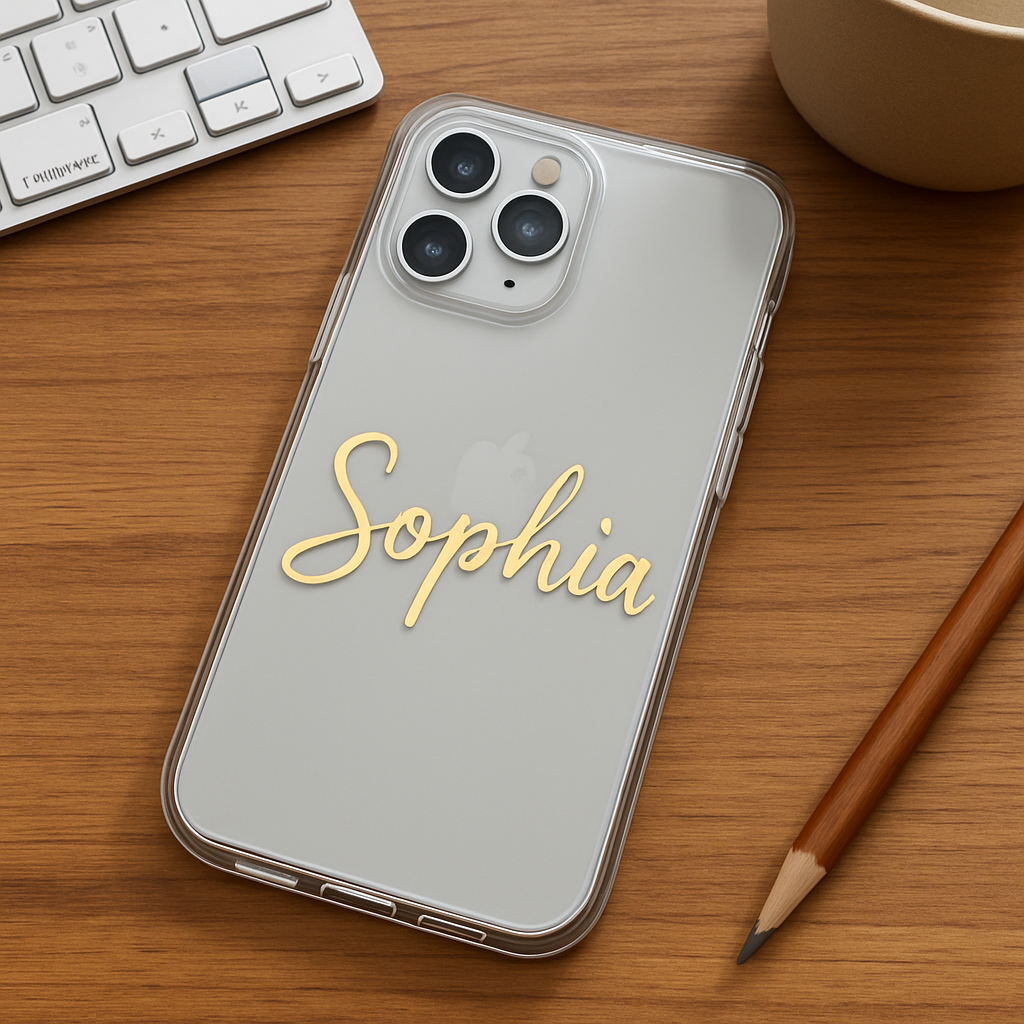
2. Choose Your Font and Layout
Alright, now that you know which case fits your phone, it’s time to make the letters sing. The font you pick and where you place the name are the secret sauce that turns a plain protective shell into a conversation‑starter.
1. Think About the Vibe You Want
If you’re going for a relaxed, beach‑day feel, a hand‑written script feels like a postcard from a friend. For a sleek professional look, a clean sans‑serif such as Helvetica or Futura says “I’ve got my act together.” And if you love drama, a bold brush‑stroke script can make the name pop like a billboard. The key is to match the font’s personality with the person who’ll be holding the phone.
2. Test Readability at Real Size
Remember the last time you tried reading a tiny caption on a meme? It’s the same with your name. Grab a piece of tracing paper (or just use a phone mock‑up app) and print the font at the exact dimensions of the case back. If you have to squint, step down a size or choose a wider typeface. A name that’s easy to read even from a quick glance feels more polished.
3. Play With Placement – Center, Corner, or Edge?
Center‑aligned names look balanced, but a slight offset can add a modern edge. Placing the text in the lower‑right corner leaves room for a small logo or a cute icon on the opposite side. Just double‑check that you’re not covering the camera cut‑out or side buttons. A quick photo of your phone’s back with the proposed layout helps you spot any clash before you click “add to cart.”
4. Mix Font Weights for Emphasis
Ever notice how a bold first name paired with a light surname feels dynamic? Try using a heavier weight for the first name and a lighter weight for the last name, or vice versa. The contrast draws the eye without needing extra graphics. Keep the total character count in mind – too many bold strokes can look crowded on smaller phones.
5. Add a Tiny Design Accent (If You Want)
Sometimes a simple underline, a tiny heart, or a subtle star works better than a full‑blown graphic. Because the case is already personal, a small accent keeps the focus on the name while giving it a little sparkle. Just make sure the accent stays within the safe‑zone margins, especially around the camera module.
6. Preview on Multiple Devices
Phones come in a range of sizes, even within the same model line. If you have access to a friend’s device, pop the mock‑up onto their screen and see how the name reads from different angles. Even a tiny shift in perspective can reveal that a letter is too close to a corner. It’s a quick step that saves you a pricey reorder.
One creator I follow swears by a “paper‑cut” test: print the design on regular paper, cut it out, and tape it to the back of the phone—as a Lemon8 post demonstrates.
And don’t forget – the whole point of a custom name phone case is to showcase a piece of you (or a loved one). So trust your gut. If a font makes you smile when you read it, that little joy will travel with the phone every day.
Ready to lock in your choices? Grab your favorite font, line it up where you want it, and hit that order button. Your phone will thank you with every glance.
3. Material Matters: Compare Case Types
Now that you’ve nailed the right model and font, the next big decision is what the case actually feels like in your hand.
1. Soft TPU – The Grip‑Guru
TPU (thermoplastic polyurethane) is that squishy, rubbery material that hugs every curve of your phone. It’s perfect if you’re the type who drops things “just because.” The flexibility means the case bends around camera bumps and side buttons without stressing them.
Because it’s slightly stretchy, you’ll notice a subtle give when you press the edges – that’s the material absorbing impact. The trade‑off? It can attract fingerprints, so a quick wipe every now and then keeps it looking fresh.
2. Rigid Polycarbonate – The Sleek Shield
If you love a glass‑like finish that slides into a pocket with barely a sound, polycarbonate is your go‑to. It’s hard, lightweight, and shows off any custom name design with razor‑sharp clarity.
The downside is that it doesn’t cushion a fall as well as TPU. That’s why many brands pair it with a thin TPU liner – a hybrid that gives you the best of both worlds.
3. Hybrid (TPU + Polycarbonate) – The Best‑of‑Both
Think of a hybrid case as a sandwich: a hard polycarbonate shell on the outside, a soft TPU layer on the inside. You get the premium look of a hard case and the drop protection of a soft one.
Brands like OtterBox tout “rugged, plunge‑proof protection” for exactly this reason — the outer shell deflects scratches while the inner cushion absorbs shocks according to OtterBox’s product description. It’s a solid choice if you’re on the move a lot.
4. Leather & Faux‑Leather – The Luxe Option
Leather cases add a touch of sophistication and develop a patina over time, making each piece uniquely yours. They’re usually backed with a thin TPU liner for basic protection.
Just remember leather can wear faster if you’re constantly in your pocket, and it’s not the best for water‑resistance.
So, which material feels right for you? Do you crave a buttery‑soft grip, a sleek glass feel, or a polished leather vibe? Below is a quick cheat‑sheet to help you decide.
| Feature | Material | Pros | Cons |
|---|---|---|---|
| Grip | TPU (soft) | Excellent slip‑resistance, bends around curves | May show fingerprints |
| Appearance | Polycarbonate (hard) | Clear, glossy, showcases custom name sharply | Less shock absorption |
| All‑round protection | Hybrid (TPU + PC) | Rugged drop protection, premium look | Usually a bit bulkier |
| Premium feel | Leather/Faux‑leather | Stylish, ages beautifully | Limited water resistance, can wear |
Here’s a quick checklist before you hit “add to cart”:
- Will the material match your daily routine? (Pocket‑fighter vs. desk‑lover)
- Does it protect the camera cut‑out you just spent time aligning?
- Is the finish something you’ll enjoy seeing every morning?
And remember, the case is the canvas for your custom name. A material that dulls the design defeats the whole point. If you love the way a glossy polycarbonate makes the lettering pop, go for it. If you’d rather feel confident that a tumble won’t ruin your phone, the hybrid is worth the extra millimeter.
Keeping your case looking fresh is easy. For TPU, a damp cloth and a bit of mild soap wipes away fingerprints. Let it air‑dry before you snap it back on – no need for harsh chemicals that could degrade the grip.
If you chose leather, treat it like a favorite wallet. Apply a small amount of leather conditioner every few months, and avoid leaving it in direct sunlight for long periods. This keeps the patina from cracking and the case feeling supple.
Whichever material you pick, you’ll end up with a custom name phone case that feels as personal as the name on it.
4. Add Color and Graphic Accents
We’ve already chosen the perfect material and nailed the font, so now it’s time to sprinkle a little personality onto that blank canvas. Think of color and tiny graphics as the accessories you’d add to an outfit – they can turn "nice" into "wow" in an instant.
1. Start with a mood‑setting palette
Do you feel more sunrise‑soft or midnight‑electric? The colors you pick should echo the vibe you want every time you glance at your phone. A pastel wash behind a handwritten name feels dreamy, while a bold teal splash makes the lettering pop like a neon sign.
Pro tip: limit yourself to two‑three hues. Too many shades can drown the name you’re trying to showcase.
2. Use graphic accents sparingly
Remember that tiny underline we mentioned earlier? A single line, a petite star, or a minimalist leaf can give the design just enough flair without stealing the spotlight.
Because the case is already personal, a subtle accent keeps the focus on the name while adding that extra sparkle you love.
3. Borrow from the hottest trends
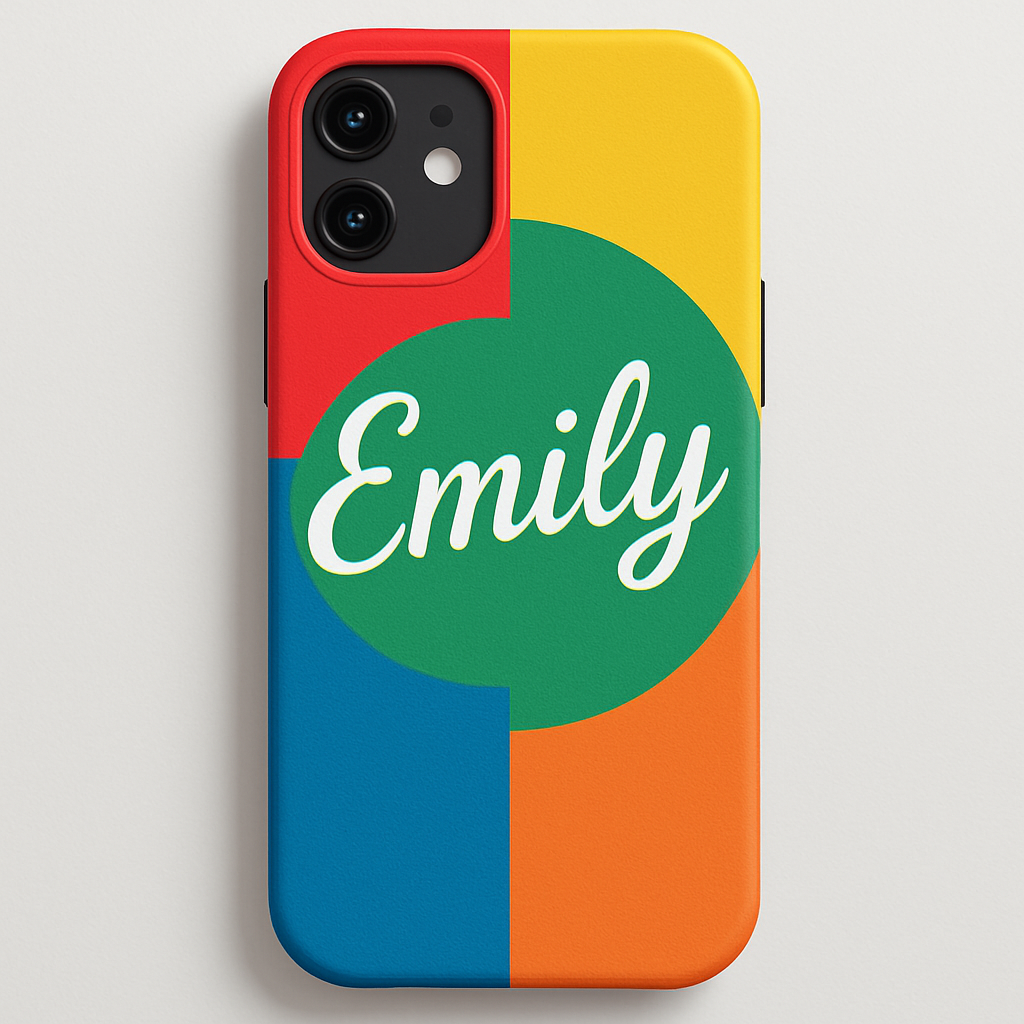
If you’re stuck on what looks fresh, Merchize notes that minimalist line art and bold color blocking dominate 2025 phone‑case trends. Think clean geometric shapes in a muted background, or a single brush‑stroke splash that feels hand‑painted.
These trends work especially well on glossy polycarbonate because the shine amplifies the contrast between text and graphic.
4. Play with texture tricks
Even though you can’t feel texture through a screen, visual texture does the trick. A watercolor wash behind the name adds a soft, flowing feel, while a subtle marble pattern gives a luxe, high‑end vibe.
When you pair texture with a pop of color, the name stands out like a headline on a magazine cover.
5. Test the safe‑zone
Before you lock in, print a quick mock‑up and hold it up to your phone. Does the graphic creep into the camera cut‑out? Does the color bleed into the edges?
Take a photo of the mock‑up on your desk, zoom in, and make sure the name remains readable from a few feet away. Small tweaks now save you a costly reorder later.
And here’s a quick checklist you can copy‑paste into your notes:
- Pick 2–3 colors that match the mood you want.
- Choose ONE tiny graphic accent (underline, star, leaf).
- Reference current trends like line art or color blocking for inspiration.
- Make sure the accent stays inside the safe‑zone margins.
- Preview on a real phone mock‑up before ordering.
Once you’ve nailed the hues and the tiny accent, you’ll have a custom name phone case that feels like a piece of art you created yourself – and every time you pick up your phone, you’ll get a little smile.
5. Order from Reputable Print Shops
We've gotten the design just right, now it's time to actually get that custom name phone case in your hands. But how do you make sure the final product lives up to the vision?
1. Look for reviews that mention quality, not just speed
When I first ordered a case, the site promised 24‑hour turnaround. The print looked cheap and the name was blurry. A quick glance at recent customer photos would have saved me that disappointment.
So, before you click “add to cart,” scroll through the review section and filter for images. Real users posting their own cases give you the clearest signal that the shop can reproduce sharp lettering and vibrant colors.
2. Check the printing technology they use
UV‑cured printing, sublimation, and dye‑sublimation each have strengths. UV‑cured tends to produce crisp, fade‑proof text on hard polycarbonate, while sublimation shines on TPU fabrics.
If you love a glossy finish that makes your name pop, look for “UV‑cured” in the product description. If you prefer a soft‑touch feel, “sublimation” is the safer bet.
3. Verify material guarantees
Reputable shops will list the exact material – TPU, polycarbonate, or hybrid – and often include a short durability promise (e.g., “scratch‑resistant for up to 6 months”).
Ask yourself: does the guarantee match the way you treat your phone? If you’re a pocket‑fighter, a hybrid case with a shock‑absorbing liner is worth the extra euro.
4. Test the mock‑up preview
Most print‑on‑demand sites let you upload a mock‑up that you can rotate 360°. Use that tool to double‑check the safe‑zone margins we talked about earlier.
Zoom in, make sure the name isn’t too close to the camera cut‑out. If the preview looks fuzzy, that usually means the file resolution is too low – re‑upload a 300 dpi PNG.
5. Pay attention to shipping and return policies
Even the best printer can have a mishap. Look for a clear “re‑print or refund” clause if the case arrives with a misaligned name or a color shift.
Free return shipping is a nice bonus, but at least a simple process for sending a photo of the defect should be spelled out.
6. Compare price versus perceived value
It’s tempting to go for the cheapest option, but a $5 case printed on a low‑end machine often fades after a few washes. A modest $20‑$30 investment in a shop that uses professional UV printing can keep your custom name looking fresh for years.
Think of it as buying a piece of art you’ll see dozens of times a day – the price should reflect the quality you expect.
7. Take advantage of sample kits
Some print shops offer a “sample swatch” for a small fee. You get a tiny piece of the material with your chosen colors, so you can feel the texture before committing to a full‑size case.
If that option is available, grab it. It’s a low‑risk way to confirm that the matte finish you love isn’t actually a glossy surprise.
And remember, a little patience during the ordering process pays off – double‑checking details now saves you weeks of frustration later.
Bottom line: choose a shop that backs up their claims with real customer photos, transparent tech specs, and a solid return promise. When you order from a reputable printer, the custom name phone case becomes a lasting keepsake rather than a one‑off disappointment.
Bonus Tips: Maintaining Your Custom Name Phone Case
Quick daily TLC
First thing’s first – give your case a gentle wipe with a damp cloth and a drop of mild soap. It only takes a few seconds, and you’ll keep fingerprints from turning your sleek design into a smudge‑fest.
Don’t reach for the kitchen cleanser or that hand‑sanitizer bottle; harsh chemicals can eat away at the ink and make the material brittle.
Weekly deep‑clean ritual
Once a week, soak the case in lukewarm water, add a squirt of gentle dish soap, and give it a soft rub with a non‑abrasive sponge. Rinse, shake off excess water, and let it air‑dry completely before snapping it back on.
This habit mirrors the advice from a custom‑case expert who says regular cleaning preserves both protection and appearance according to Smartish’s care guide.
Sunlight is your case’s enemy
We all love a sunny window sill, but leaving your case in direct sun for hours can fade the printed name. If you’re not using it, stash it in a drawer or a shaded spot.
Think of it like a favorite shirt – the brighter the light, the faster the colors wash out.
Handling the case without damage
When you need to swap the case off, start at a corner with your fingernail, not a metal tool. Gently pry and work around the edges; forcing it can crack the print or the material.
Flex‑TPU cases love a little stretch, but hard polycarbonate prefers a slow, steady lift.
Protecting the print from wear
If you have a glossy finish, avoid rubbing the lettering directly. The ink sits on the surface, so a light touch is all you need.
For matte or leather‑like finishes, a quick swipe with a dry microfiber cloth keeps the texture feeling fresh without dulling the name.
Seasonal care tweaks
Winter? Cold air can make some plastics feel a bit stiff, so give the case a brief warm‑water rinse before using it again.
Summer? Keep an eye on humidity – excess moisture can cause tiny bubbles under the print on lower‑quality cases.
When to re‑print
Even the best UV‑cured inks will eventually fade if you constantly scrub or expose them to harsh light. If you notice the name looking ghostly after several months, it’s probably time to order a fresh case.
Because you’ve already invested in a reputable shop, most will offer a quick re‑print or a discount on a new version.
Bonus: pair with a screen protector
A screen protector not only shields your display, it also stops the case’s edge from scratching the glass when you drop the phone.
Choose a tempered‑glass protector that’s compatible with your case’s cut‑outs – you’ll thank yourself when the phone survives the inevitable coffee spill.
Stick to these simple habits, and your custom name phone case will stay vibrant and protective for years, turning every glance at your phone into a little celebration of your own style.
Conclusion
We've walked through picking colors, testing safe‑zones, choosing a reputable printer, and keeping your case looking fresh. If any of those steps felt like a lightbulb moment, you're already on the right track.
Remember, a custom name phone case is more than a protective shell – it’s a daily reminder of who you are or who you love. The little details, like a matte finish or a subtle graphic, make that reminder feel personal.
So, what's the next move? Grab a quick photo of your favorite font, hop onto a trusted print shop, and use the checklist we built together. Snap a mock‑up, double‑check the safe‑zone, and place that order with confidence.
And when your new case arrives? Give it a gentle wipe, pair it with a tempered‑glass screen protector, and enjoy the tiny pride boost every time you pick up your phone.
Need a spark of inspiration for the design? Think about a hobby, a favorite quote, or even a tiny doodle that makes you smile. The possibilities are endless, and the effort is tiny.
Ready to turn that idea into reality? Your next custom name phone case is just a few clicks away – and trust us, you’ll love the way it looks in your hand.
FAQ
What material should I choose for my custom name phone case?
Most people start with TPU if they want a soft‑touch feel, or polycarbonate for a hard, glossy look. TPU flexes a bit, so it absorbs drops, while polycarbonate feels sleek and shows off the printed name like a badge. If you’re a pocket‑fighter, a hybrid that mixes both gives a shock‑absorbing liner plus a sturdy back. Just remember: the material decides how the ink adheres, so match the finish you love with the right base.
How can I make sure my name prints clearly and doesn’t get blurry?
First, upload a high‑resolution PNG or SVG – aim for 300 dpi or higher. Double‑check the safe‑zone so the letters aren’t too close to the camera cut‑out. Most printers let you zoom in on the mock‑up; if it looks pixelated at 100 % you’ll see the same fuzziness in real life. Also, pick a font with clean lines – script is cute but can bleed if the file isn’t crisp.
Can I preview the design before I place the order?
Absolutely. Most print‑on‑demand shops give you a 360° rotatable mock‑up. Rotate, zoom, and even change the background colour to see how the name will sit on the case. If something feels off, tweak the file now – it’s way cheaper than sending a faulty case back. A quick screenshot of the preview can also serve as a reference if you need to contact support later.
What’s the best way to care for the printed name so it doesn’t fade?
Treat the case like you would a favorite t‑shirt. Wipe it with a damp microfiber cloth and a drop of mild soap every few days. Avoid harsh chemicals, bleach, or rubbing alcohol – they eat the ink. When you clean it more deeply, soak it in lukewarm water with gentle dish soap, then let it air‑dry completely before snapping it back on.
Is it worth paying more for premium printing methods like UV‑cured ink?
In most cases, yes. UV‑cured ink bonds directly to the surface, so the name stays sharp even after months of handling. Cheaper sublimation prints can look great at first but may fade faster, especially if you clean the case often. Think of it like buying a piece of art – a modest extra cost now saves you the headache of re‑ordering later.
How long does shipping usually take, and what if the case arrives damaged?
Standard shipping from most European printers is 3‑5 business days; express options can get it to you in 1‑2 days. Always check the return policy before you checkout – a clear “re‑print or refund” clause is a safety net. If the case shows a misaligned name or a crack, snap a photo, email support, and they’ll usually ship a replacement at no extra charge.
Can I reorder the same design later or make small tweaks?
Yes, most shops let you save your design in an account dashboard. When you’re ready for a new case, pull up the saved file, adjust the colour or add a tiny doodle, and you’re good to go. Some even offer a discount on repeat orders, so keep that original file handy – it’s the fastest way to refresh your look without starting from scratch.