

Why Gifts During Christmas Matter in Europe
Around 54 percent of gift buyers in Central Europe now prefer personalized presents over generic options, highlighting a dramatic shift in holiday traditions. If you are searching for a way to capture meaningful Christmas memories, bespoke phone cases offer a creative way to express individuality. Whether you are inspired by British pop culture or unique designs, choosing a customizable gift can transform a simple exchange into a memorable moment that truly resonates with those you care about.
Table of Contents
- Defining Christmas Gifts and Their Purpose
- Evolution of Gift-Giving Traditions in Europe
- Cultural Significance Across Central Europe
- Emotional and Social Value of Christmas Gifts
- Rise of Personalised Presents in Holiday Giving
- Common Mistakes and Commercialisation Risks
Key Takeaways
| Point | Details |
|---|---|
| Cultural Significance of Gift-Giving | Christmas gifts embody emotional connections and cultural traditions, serving as more than merely material exchanges. |
| Importance of Personalisation | Personalised gifts, reflecting the recipient’s interests, foster deeper relationships and create meaningful experiences. |
| Avoiding Commercialisation Risks | Focus on genuine emotional resonance rather than commercial trends to enhance the true value of gifts. |
| Historical Perspective | Understanding the evolution of gift-giving traditions can inform more thoughtful and culturally appropriate gift selections. |
Defining Christmas Gifts and Their Purpose
Christmas gift-giving is an intricate cultural practice deeply rooted in historical traditions that stretch back centuries. Ancient winter solstice celebrations reveal that exchanging gifts was never just about material transactions, but profound social connections and symbolic meanings. The ritual of presenting gifts represents far more than simple economic exchange.
In European contexts, Christmas gifts carry nuanced cultural significance that transcends mere commercial transactions. These offerings symbolise relationship-building, expressing care, appreciation, and emotional connections between individuals. The tradition emerged from complex historical roots, including religious practices like commemorating the Magi’s gifts to Jesus and the generosity associated with Saint Nicholas, transforming gift-giving into a meaningful social ritual that reinforces familial and community bonds.
Modern European gift-giving practices blend historical traditions with contemporary personal expressions. While ancient rituals focused on community survival and spiritual significance, today’s gifts reflect individual relationships, personal understanding, and emotional attunement. Each carefully selected present becomes a communication medium, expressing sentiments that words might struggle to convey - demonstrating thoughtfulness, recognising individual preferences, and creating shared memories that extend beyond the physical object.
Professional Insight: When selecting Christmas gifts, prioritise emotional resonance and personal connection over monetary value, as the most meaningful presents reflect genuine understanding of the recipient’s personality and interests.
Evolution of Gift-Giving Traditions in Europe
The landscape of European gift-giving has undergone remarkable transformations throughout history, reflecting profound cultural and social shifts. Historical research reveals that gift exchanges were never merely transactional but intricate social mechanisms for establishing relationships, demonstrating status, and maintaining complex interpersonal networks.
In medieval and early modern periods, gift-giving served multifaceted purposes beyond simple material exchange. Academic studies examining gift practices between 1300-1600 demonstrate how presents were strategic tools in political negotiations, religious ceremonies, and social hierarchies. Royal courts, in particular, developed elaborate gift-giving protocols where the value, type, and presentation of a gift could signify diplomatic intentions, personal allegiances, and social standing.
Today’s European gift-giving traditions represent a sophisticated blend of historical practices and contemporary personal expressions. While ancient rituals focused on community survival and symbolic communication, modern exchanges emphasise individual emotional connections. The transition from ceremonial offerings to personalised presents reflects broader societal changes - from collective survival strategies to individualised relationship-building approaches that prioritise personal understanding and emotional resonance.
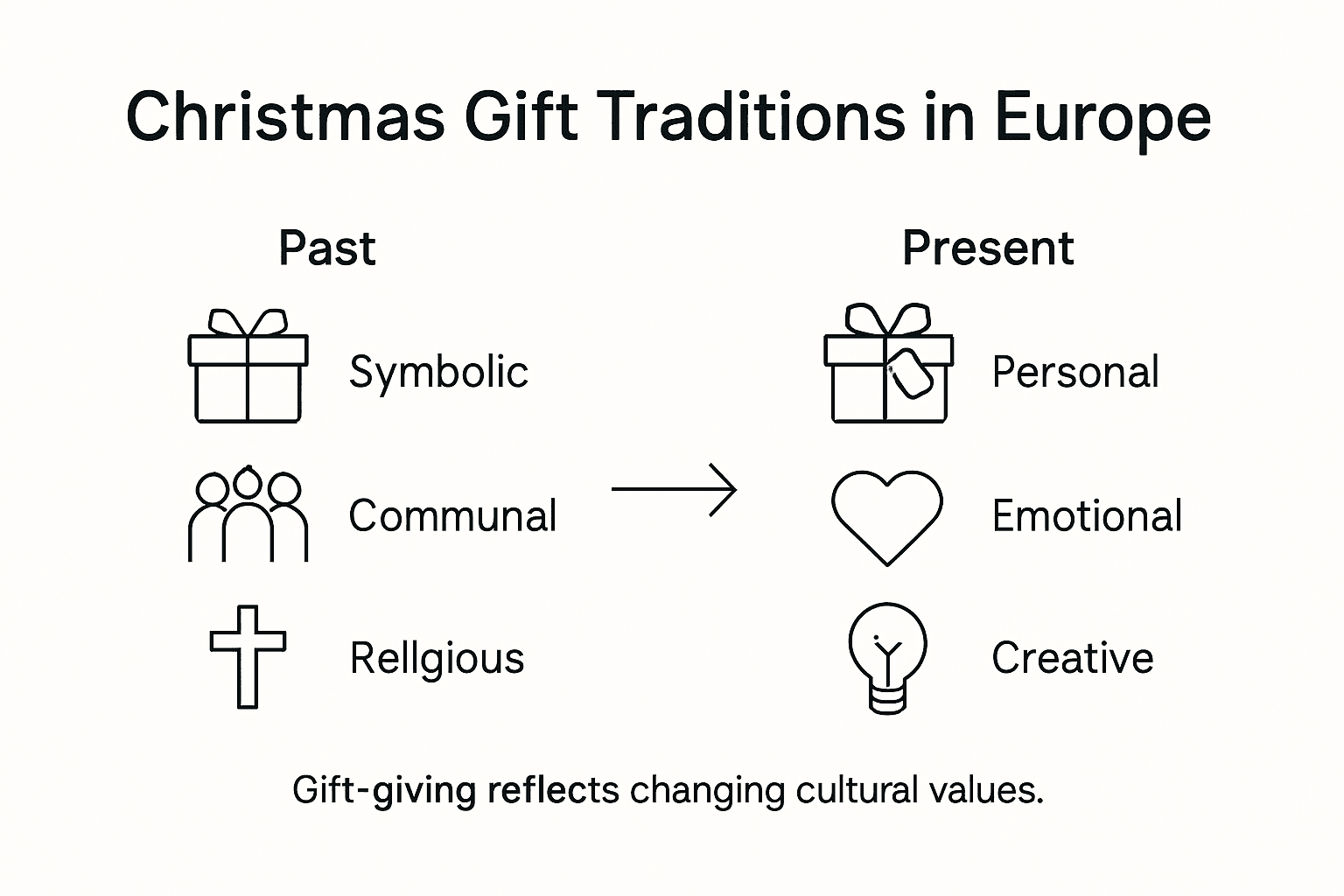
Below is a summary of how Christmas gift-giving purposes have evolved across European history:
| Time Period | Primary Purpose | Typical Recipients | Social Impact |
|---|---|---|---|
| Ancient Era | Symbolic community survival | Tribal and communal members | Strengthened group cohesion |
| Medieval/Pre-modern | Political and hierarchical bonds | Royal courts, allies | Reinforced power structures |
| Modern Day | Personal emotional expression | Family, friends, individuals | Enhanced relationship depth |
Professional Insight: Research historical gift-giving traditions to understand the deeper cultural significance behind your Christmas presents, transforming them from mere objects into meaningful cultural expressions.
Cultural Significance Across Central Europe
Christmas traditions in Central Europe represent a complex tapestry of cultural practices that extend far beyond simple holiday celebrations. These deeply rooted customs reflect generations of social interactions, familial bonds, and regional identities, transforming gift-giving into a profound social ritual that communicates respect, affection, and cultural continuity.
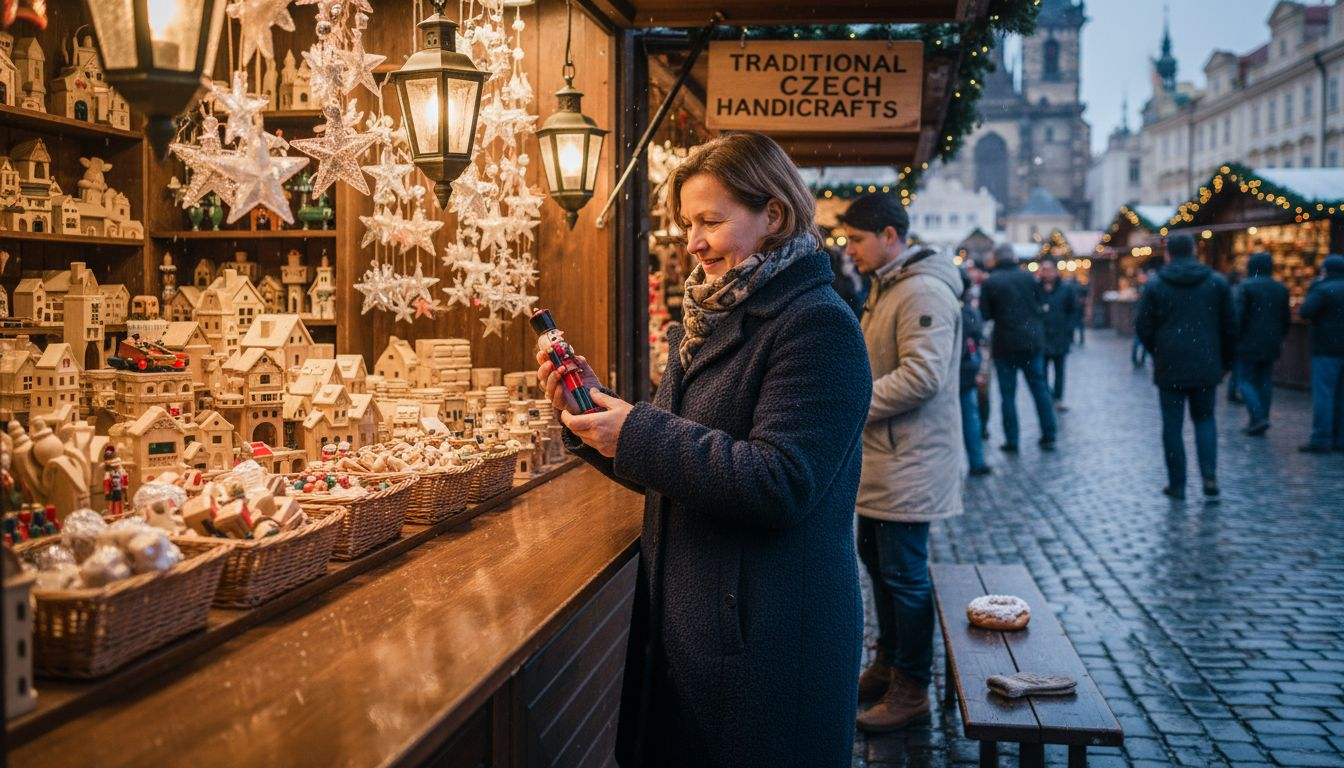
In Central European contexts, gift exchanges are intricate social mechanisms that transcend mere material transactions. Regional gift-giving etiquette reveals nuanced cultural expectations where presents serve as symbolic communication tools. Each gift becomes a carefully crafted message, communicating personal understanding, familial respect, and social connections that honour both individual relationships and broader cultural traditions.
The diversity of Central European gift-giving practices reflects the region’s rich historical complexity. Different countries within this geographical area maintain unique traditions that simultaneously demonstrate both local distinctiveness and shared cultural heritage. From elaborate Christmas markets in Germany to intimate family exchanges in Austria, these practices represent more than commercial interactions - they are living cultural expressions that maintain social cohesion, preserve historical memory, and celebrate communal bonds through thoughtful, intentional gift selection.
Professional Insight: When selecting gifts for Central European recipients, research local customs and prioritise meaningful, culturally appropriate presents that demonstrate genuine understanding and respect for regional traditions.
Emotional and Social Value of Christmas Gifts
Academic research on gift-giving dynamics reveals that Christmas gifts transcend mere material exchanges, representing profound emotional investments that communicate deep personal connections. The true value of a gift emerges not from its monetary worth, but from the empathy, thoughtfulness, and emotional intention embedded within its selection and presentation.
Gifts function as intricate social communication tools, allowing individuals to express complex emotions that often elude verbal articulation. When someone carefully selects a present, they are essentially crafting a narrative of relationship, demonstrating understanding, appreciation, and emotional attunement. The act of gift-giving becomes a nuanced language of care, where each carefully chosen item represents layers of personal insight and genuine emotional investment.
The psychological complexity of gift exchanges extends beyond the moment of presentation. Recipients interpret gifts as tangible representations of the giver’s perception of their personality, interests, and emotional significance. This interpretative process transforms Christmas gifts into powerful relational instruments that can strengthen bonds, communicate respect, and create lasting emotional memories that often endure far longer than the physical object itself.
Professional Insight: Prioritise emotional resonance over monetary value when selecting Christmas gifts, focusing on demonstrating genuine understanding and personal connection.
Rise of Personalised Presents in Holiday Giving
European personalized gifting market trends reveal a transformative shift in holiday gift-giving practices, driven by technological innovation and a growing consumer desire for unique, meaningful presents. This evolution reflects a profound cultural transformation where standardised gifts are increasingly replaced by bespoke, individually crafted experiences that communicate deeper emotional understanding.
Consumers across Europe are now seeking gifts that tell a story, reflect personal connections, and demonstrate genuine thoughtfulness. Christmas gift trends highlight a movement towards mindful, personalised selections that go beyond traditional mass-produced items. Technological advancements have made customisation more accessible, enabling individuals to create presents that are not just gifts, but memorable experiences tailored specifically to the recipient’s interests, personality, and emotional landscape.
The rise of personalised presents represents more than a commercial trend - it is a social phenomenon reflecting evolving relationship dynamics. Modern Europeans view gift-giving as an opportunity for genuine connection, preferring presents that demonstrate intimate knowledge, careful consideration, and emotional intelligence. This shift indicates a broader cultural movement towards valuing individual experiences, personal narratives, and meaningful interactions over material consumption.
Professional Insight: Invest time in understanding the recipient’s unique preferences and experiences when selecting personalized gifts, transforming the act of giving into a profound expression of relationship and care.
Common Mistakes and Commercialisation Risks
Modern Christmas commercialisation patterns reveal a growing tension between genuine festive spirit and excessive consumer spending. The holiday season increasingly risks becoming a transactional experience where financial pressure and materialistic expectations overshadow the fundamental emotional and relational significance of gift-giving, transforming a meaningful tradition into a mechanical economic exchange.
Consumer psychology research identifies critical gift-giving mistakes that undermine the genuine intention behind presents. These include prioritising novelty over practicality, becoming overly fixated on the dramatic unwrapping moment, and avoiding emotionally resonant gifts due to perceived social risks. Such approaches reduce gift-giving from a profound communication of care to a superficial performance of social obligation.
The commercialisation of Christmas presents a nuanced challenge for European consumers. While economic systems encourage increased spending, discerning individuals recognise that the most meaningful gifts transcend monetary value. The risk lies not in spending itself, but in replacing genuine emotional investment with standardised, impersonal purchases that fail to reflect individual relationships, personal understanding, and authentic human connections.
The following table compares personalised and commercialised Christmas presents in terms of their impact on relationships and festive value:
| Aspect | Personalised Presents | Commercialised Presents |
|---|---|---|
| Emotional Resonance | High—reflects deep understanding | Low—often generic or trendy |
| Relationship Building | Strengthens personal bonds | Can weaken authentic connections |
| Festive Value | Creates lasting memories | Focuses on immediate gratification |
| Risk of Disappointment | Lower—tailored to recipient | Higher—may feel impersonal |
Professional Insight: Resist commercial pressures by focusing on gifts that genuinely reflect the recipient’s personality, interests, and emotional landscape, rather than succumbing to standardised, trendy, or expensive presents.
Discover the Power of Personalised Gifts This Christmas
The article highlights the true challenge of Christmas gift-giving in Europe is capturing the emotional resonance and meaningful connection behind each present. Many struggle with avoiding commercialised, generic gifts that lack personal thought. If you want to honour rich European traditions and convey genuine care through your gifts this season, consider customised presents that speak directly to the recipient’s personality and interests. Personalised gifts create lasting memories that reflect your deep understanding, sidestepping the pitfalls of excessive consumerism.
Explore personalised gift options for Christmas that truly embody relationship building and emotional expression.
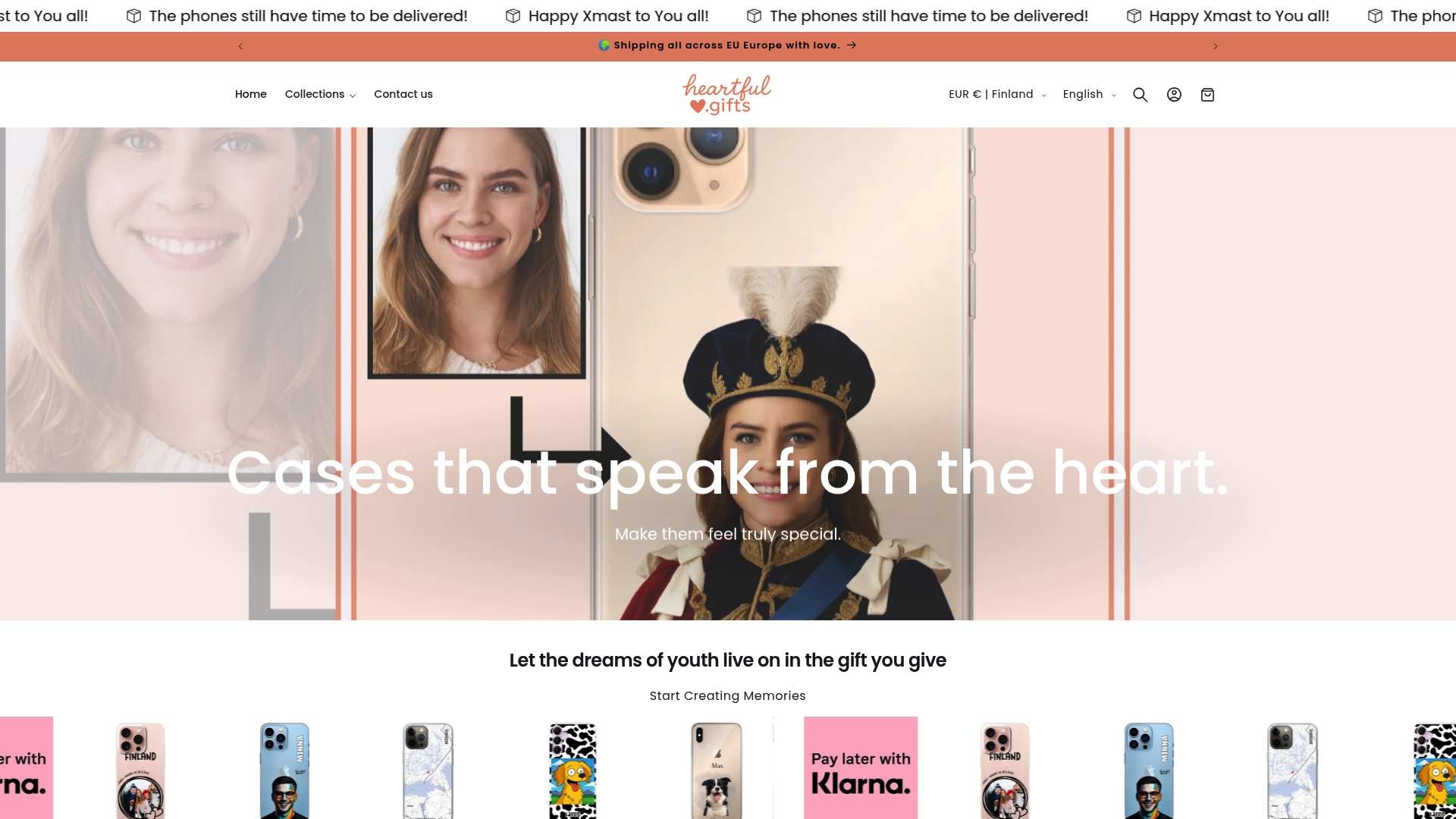
Make this Christmas unforgettable with unique, tailored gifts like customised phone cases featuring cityscapes and collages. Stand out by choosing presents that resonate with heartfelt meaning and regional cultural sensitivity. Visit Heartful.gifts today to discover how easy it is to create meaningful, thoughtful gifts that celebrate European traditions and emotional connection. Don’t wait—embrace the spirit of personalised giving now and deepen your cherished bonds this holiday season.
Frequently Asked Questions
Why is gift-giving significant during Christmas in Europe?
Gift-giving during Christmas in Europe symbolises emotional connections, care, and appreciation between individuals. It reflects a deeper cultural tradition that emphasises relationships rather than just material transactions.
How have Christmas gift-giving traditions evolved over time in Europe?
Christmas gift-giving traditions have transitioned from communal survival and symbolic offering to personalised expressions of emotional connection. Modern gifts often prioritise individual relationships and thoughtfulness over mere economic value.
What emotional value do Christmas gifts hold beyond their physical presence?
Christmas gifts represent significant emotional investments that convey personal connections and sentiments. They become a medium for expressing complex emotions that often cannot be articulated verbally, strengthening relationships over time.
What are the risks of commercialisation in Christmas gifting?
The commercialisation of Christmas can undermine the emotional significance of gift-giving, leading to a focus on materialism over meaningful connections. This shift can transform the act of giving into a superficial performance rather than a genuine expression of care.
Recommended
- Creating Meaningful Memories: The Magic of Personalized Christmas Orna – heartful.gifts
- Creating Meaningful Memories: The Magic of Personalized Christmas Orna – heartful.gifts
- Enchant Your Loved Ones with the Perfect Personalized Engagement Gift – heartful.gifts
- Enchant Your Loved Ones with the Perfect Personalized Engagement Gift – heartful.gifts