

What Is a Floating Frame Canvas? A Friendly Guide to Understanding and Using It
Ever walked into a room and found a piece of art that seemed to hover, almost like a photograph floating in mid‑air?
That’s the magic of a floating frame canvas, and if you’ve ever wondered \"what is a floating frame canvas\" you’re not alone. It’s basically a canvas stretched over a wooden frame, then set into a slim, gap‑creating frame that leaves a narrow border of the canvas visible around the edges.
Think of it as giving your photo a little breathing room, like a picture‑perfect pause button for the eyes. The canvas doesn’t sit flat against the wall; instead, the frame lifts it a few millimetres, creating that subtle “floating” effect we all love.
Why does that matter for a gift buyer or a parent looking to brighten a nursery? Because the floating style adds depth without the bulk of a traditional box frame, making the artwork feel lighter, more modern, and surprisingly easy to match with any décor.
But you might be asking, does it require special hanging hardware? Not really – most floating canvases come with pre‑drilled keyhole slots, so a simple picture hook does the trick. And if you’re a spouse hunting for a birthday surprise, the sleek look says “I put thought into this” without shouting about it.
Here’s a quick mental picture: you choose a family photo, upload it to heartful.gifts, select the floating frame option, and within days you have a ready‑to‑hang canvas that looks like it’s been professionally displayed in a gallery.
So, is it just a trend? Maybe, but trends that blend simplicity with a touch of elegance tend to stick around. The floating frame not only protects the canvas edges from damage but also draws the viewer’s gaze inward, highlighting the image itself.
Now that you’ve got the basics, let’s dig deeper into how the frame is built, what materials work best, and how to style it in different rooms.
TL;DR
A floating frame canvas is a stretched canvas set inside a slim, gap‑creating frame that makes the artwork appear to hover, adding depth without the bulk of traditional framing.
It’s perfect for gift buyers, parents, and spouses who want a modern, easy‑to‑hang piece that highlights photos or art while protecting edges, and platforms like heartful.gifts let you create and ship one in just a few clicks.
Understanding the Design of a Floating Frame Canvas
When you ask yourself, “what is a floating frame canvas really made of?”, the answer lies in a few simple parts that work together like a well‑rehearsed dance.
First there’s the stretcher bar – a thin wooden frame that the canvas is stretched over. It’s usually pine or poplar, and the bar’s width determines how much of the canvas edge you’ll actually see.
Next comes the outer floating frame – a sleek, shallow profile that sits a few millimetres away from the canvas edge. Think of it as a narrow picture rail that creates a subtle “air gap” so the artwork appears to hover.
Most designers aim for a 5‑10 mm gap – enough to be noticeable but not so big that the piece looks like it’s floating in a void. That tiny space also helps hide any slight unevenness in the canvas stretch, giving the finished piece a clean, museum‑like vibe.
Canvas tension is another silent hero. A tightly‑stretched canvas resists sagging, so when the outer frame lifts it, the surface stays flat and the image stays crisp. If the tension’s off, you’ll notice a soft “wobble” around the edges once it’s hanging.
Finishes on the frame can be painted, stained, or left natural. A matte black or white coat keeps the focus on the art, while a warm wood stain can add a cozy contrast in a living‑room setting. Because the frame is thin, the colour choice really matters – it either recedes or becomes part of the visual story.
Practical hardware is built right into the frame. Most floating canvases come with pre‑drilled keyhole slots or D‑ring hooks on the back, so all you need is a single picture hook or an inch‑worm hanger. No extra brackets, no complicated assembly – just slide the canvas into the frame, hang, and step back.
All that design work pays off when you look at the final piece. The tiny gap creates depth without the bulk of a traditional box frame, pulling the viewer’s eye straight into the image. For gift buyers, that means a sleek, modern look that feels personal yet upscale – perfect for a parent’s nursery or a spouse’s anniversary surprise.
If you’re wondering which size and orientation will work best in your space, our guide on choosing and displaying square canvas prints walks you through the decision‑making process step by step: A Friendly Guide to Choosing and Displaying Square Canvas Prints.
When it comes to picking the image itself, many people turn to local artists for something unique. For example, the landscape paintings at Gratitude Studios offer vivid scenes that look stunning when framed with a floating mount.
Seeing the construction in action can make the concept click. The short video below shows how the canvas is stretched, slipped into the frame, and hung in just a few minutes.
Once it’s up, caring for a floating canvas is straightforward. Dust with a soft microfiber cloth, avoid direct sunlight, and check the hanging hardware every few months. Because the frame doesn’t touch the canvas, there’s less risk of edge wear compared to traditional framing.
If you’re the artistic type and want to create your own illustration for the canvas, understanding pencil hardness can help you achieve the right line quality. This practical guide breaks down the chart so you can choose the perfect lead for bold or delicate strokes: understanding pencil hardness.
Picture a close‑up of a floating frame canvas on a white wall, the narrow gap catching a soft shadow that hints at depth.
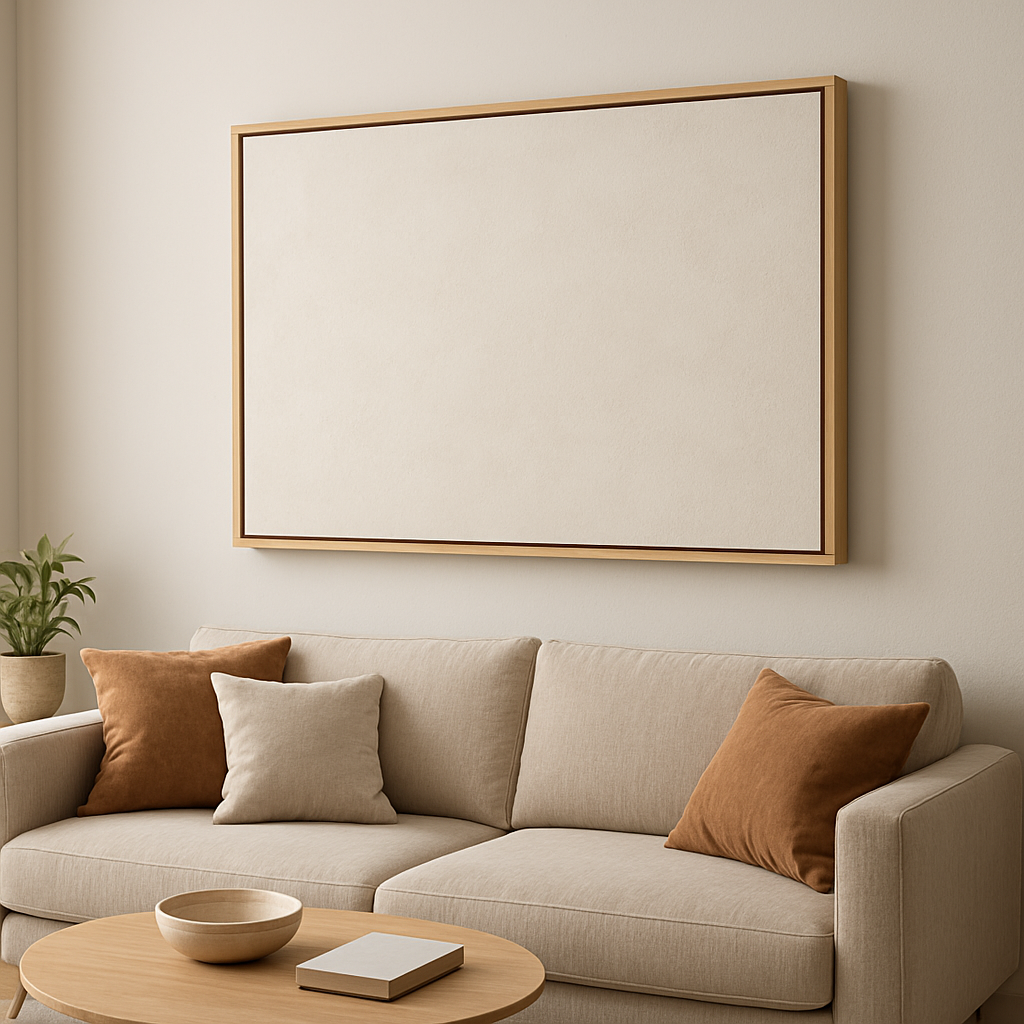
Bottom line: the design of a floating frame canvas is all about subtle separation, sturdy tension, and clean finishes. Choose a frame that complements your décor, pick artwork that speaks to the moment you want to capture, and enjoy a piece that feels both light and lasting.
Benefits of Using a Floating Frame Canvas
Why the floating effect feels like a gift to the eye
Ever notice how a floating frame canvas seems to hover, almost like the picture is breathing on its own? That subtle lift does more than look cool – it actually tricks our brain into seeing depth, making the artwork feel larger than the wall space it occupies.
For gift buyers, that extra dimension translates to a wow‑factor without the bulk of a traditional box frame. It’s the kind of detail that says, “I thought about this,” without you having to say a word.
Preserves every inch of the artwork
Traditional frames have a lip (the rabbet) that can hide edges, signatures, or that perfect brush‑stroke you fell in love with. Floater frames mount the canvas from the front, so nothing gets clipped.
Jacquez Art explains that this front‑mounting style is especially handy for gallery‑wrapped pieces where the artist’s signature sits right at the edge – the floating frame keeps it visible and celebrated floater frames vs traditional frames.
Lightweight, yet sturdy
Because the frame only needs to hold the edge, the overall weight stays low. You won’t need heavy-duty anchors; a standard picture hook does the job for most home walls. That’s a relief for parents hanging a nursery piece or spouses installing a surprise gift in a hallway.
And the thinner profile means the canvas sits closer to the wall, so you avoid the awkward gap that can collect dust.
Versatility across rooms and styles
Think about a modern living room with sleek black furniture – a black‑oak float frame adds a touch of elegance without clashing. Or picture a cozy bedroom where a white float frame lets pastel children’s art breathe.
Because the frame is separate from the canvas, you can swap out the canvas later and keep the same frame, extending the life of your décor.
Real‑world examples that illustrate the perks
Sarah, a busy mom, ordered a floating canvas of her baby’s first steps. The matte finish reduced glare in the nursery, while the floating gap created a gentle shadow that made the tiny footprints pop.
Mark, a husband, surprised his wife with a landscape from their honeymoon. He chose a deep‑black float frame to echo the ocean tones, and guests kept commenting on how the image seemed to “float out of the wall.”
Both stories share a common thread: the floating effect turned a simple photo into a focal point that feels gallery‑ready.
Actionable checklist for maximizing benefits
Here’s a quick, step‑by‑step list you can follow before you hit “order” on heartful.gifts:
- Pick a high‑quality matte canvas (380 gsm is a safe bet for most home settings).
- Choose a frame depth that matches the canvas weight – ¾‑to‑1 inch works for most prints.
- Decide on a frame finish that complements the room’s palette – black for modern, white for minimalist, natural wood for warm spaces.
- Make sure the frame includes pre‑drilled keyhole slots; this saves you a trip to the hardware store.
- Hang using a sturdy picture hook, level it, and step back to admire the subtle shadow.
Pro tip: If you love a DIY vibe, add thin wooden shims between canvas and frame to fine‑tune the gap. A quarter‑inch strip of poplar does the trick and lets you match the wood grain to existing furniture.
Seeing the floating effect in motion helps you visualize how light will play off the edge. Notice the way the shadow adds depth without any extra hardware.
Long‑term value for gift‑givers
Because the frame protects the canvas edges and the floating gap keeps dust away from the surface, you’re essentially buying a low‑maintenance piece that stays fresh for years.
That durability matters when you’re sending a present across the country – the recipient gets a ready‑to‑hang artwork that looks as new as the day it left the studio.
Bottom line: the benefits of a floating frame canvas go beyond aesthetics. They’re about preserving the art, simplifying installation, and giving you a versatile décor element that feels personal, modern, and effortlessly elegant.
Installation Steps for a Floating Frame Canvas
Alright, you’ve picked the perfect photo, ordered a floating frame canvas from heartful.gifts, and now the only thing left is getting it on the wall without a drama. Does the idea of hanging a piece that seems to hover make you nervous? Trust me, it’s easier than you think once you break it down into bite‑size steps.
1. Gather the right tools (and keep the panic meter low)
First things first – you don’t need a full toolbox. Grab a sturdy picture hook or a single‑head hanger, a pencil, a small level, a tape measure, and a drill if your wall is drywall and you prefer a screw anchor. A pair of painter’s tape comes in handy for holding the canvas while you work.
2. Measure, mark, and double‑check
Stand back and picture where you want the art to live. Measure the wall’s width and height, then mark the center point with a light pencil dot. From that dot, measure out half the canvas width and half the height – you now have the four corners where the hook will sit.
Pro tip: Use a level to draw a faint horizontal line between the top two marks; it’ll save you from a wonky tilt later.
3. Choose the right hanging hardware
Most floating frames, including ours, come with pre‑drilled keyhole slots on the back. Those slots are designed for a single picture hook that can bear up to 15 lb – more than enough for a standard 24×36 inch canvas. If your piece is larger or heavier, opt for two hooks spaced evenly.
When you drill into plaster or brick, a plastic anchor plus a #6 screw works well. For drywall, a metal toggle bolt adds extra security.
4. Install the hook(s)
Place the hook at the first mark, hammer the nail in until the head is flush with the wall, then repeat for the second mark if you’re using two. Give each hook a gentle tug to make sure it’s solid.
Does this feel like a lot? It’s the same routine you’d use for hanging a family photo, just with a little extra care for the float effect.
5. Hang the canvas and level it
Slide the keyhole slot over the hook – the canvas should settle into place with the floating gap showing. Step back, place a level on the top edge, and adjust by nudging the canvas slightly until it’s perfectly straight.
If you notice a slight tilt, lift the canvas just enough to shift the hook position a millimetre and try again. This tiny adjustment can turn a subtle shadow into a dramatic depth cue.
6. Fine‑tune the floating gap
Now for the fun part: making that “floating” illusion look intentional. If the gap feels uneven, grab a thin wooden shim (a quarter‑inch poplar strip works wonders) and slip it between the canvas and frame on the low side. We’ve seen parents use a single shim to keep a nursery canvas perfectly level, and the result is a piece that looks like it’s gently hovering above the crèche wall.
7. Test stability and admire
Give the canvas a gentle push. It should feel secure, with no wobble. If it moves, double‑check the hook depth and consider a second hook for added support.
Take a moment to step back, turn on the room lights, and watch how the shadow cast by the frame adds that airy, gallery‑ready vibe. That’s the reward for a few minutes of careful hanging.
8. Quick reference video (optional)
If you’re a visual learner, this quick video walkthrough walks through each step and shows the shim trick in action.
Floating frame canvas installation guide
And that’s it! With these steps you’ve turned a flat wall into a showcase for a piece that feels like it’s hovering, all without hiring a professional. Next time you need a thoughtful gift for a spouse, parent, or friend, you’ll already know how to get it looking picture‑perfect in minutes.
Comparing Floating Frame Canvas Materials
When you’re picking a floating frame for a gift, the material you choose can feel like the difference between “just okay” and “wow, I really thought about this.” So, what’s the low‑down on the most common options?
Hardwood (oak, walnut, maple)
Hardwoods are the classic go‑to for a polished look. Oak gives you a warm grain that pairs nicely with a pastel nursery, while walnut adds a rich, dark contrast that makes a honeymoon landscape pop. Because the wood is dense, it resists warping even in humid climates – a real plus for families with a busy kitchen or a bathroom hallway.
Real‑world tip: One of our customers, a spouse celebrating a 10‑year anniversary, chose a walnut float for a black‑and‑white photo. The depth of the wood added a subtle shadow that made the image look like it was drifting off the wall.
Poplar (kiln‑dried)
Poplar is the budget‑friendly cousin of hardwood. It’s lighter, easy to paint, and still sturdy enough for most standard‑size canvases (up to about 30×40 in). The trade‑off is that poplar can develop a slight hue shift over many years if exposed to direct sunlight, so it’s best for rooms with filtered light.
Imagine a parent hanging a baby’s first steps in a bright nursery – a white‑painted poplar float keeps the focus on the canvas while staying gentle on the wallet.
Metal (aluminum)
Metal frames give a modern, industrial vibe. Aluminum is ultra‑light, so the whole piece feels almost weightless, which can be fun for a minimalist office space. The downside? Metal can be noisy when you tap it, and it doesn’t hide wall imperfections the way wood can.
We’ve seen a tech‑savvy spouse opt for a brushed‑aluminum float to showcase a digital illustration. The sleek edge matched the home office décor and the floating gap created a crisp, gallery‑like shadow.
MDF with veneer
Medium‑density fiberboard (MDF) covered with a thin wood veneer is an emerging favorite for large‑scale pieces. It’s cheaper than solid hardwood but still offers a wood look. However, MDF is more susceptible to moisture, so it’s best saved for climate‑controlled rooms.
A quick experiment: a family installed a 48×60 in canvas in their living room using an MDF‑veneer float. After a few months of humid summers, the edges began to swell slightly – a reminder to keep an eye on humidity.
How to decide – a quick checklist
- Budget: hardwood > poplar > MDF veneer > metal (often comparable to poplar).
- Room lighting: bright rooms favor poplar or MDF (painted) to avoid hue shift; low‑light rooms can handle darker woods.
- Style vibe: warm & classic (hardwood), sleek & modern (metal), budget‑smart (poplar).
- Durability needs: families with kids/pets should lean toward hardwood or poplar.
And remember, the depth of the frame (usually ¾‑1 in) should match the canvas weight. A too‑shallow frame on a heavy canvas can bow over time.
Side‑by‑side comparison
| Material | Typical Cost (USD) | Durability | Best For |
|---|---|---|---|
| Hardwood (oak, walnut) | $30‑$55 per foot | High – resists warping, stable in humidity | Gifts that need a premium feel, living‑room art |
| Poplar (kiln‑dried) | $15‑$25 per foot | Medium – solid but can discolor in direct sun | Nursery or budget‑friendly family gifts |
| Metal (aluminum) | $20‑$40 per foot | High – lightweight, corrosion‑resistant | Modern offices, tech‑savvy spouses |
| MDF + veneer | $12‑$20 per foot | Low‑Medium – moisture‑sensitive | Large‑scale prints in climate‑controlled spaces |
So, which material feels right for your next gift? If you’re leaning toward a warm, timeless look and don’t mind a bit extra cost, hardwood is your safe bet. If you need to stretch a budget while still delivering a polished finish, poplar does the job. And when the vibe is ultra‑modern, metal frames bring that sleek edge without the bulk.
Bottom line: the right material not only supports the visual impact of the floating effect but also safeguards the canvas over years of family life. Take a minute to match the material to the room’s light, the recipient’s style, and your price point – you’ll end up with a piece that truly feels like you thought about it.
How to Choose the Right Floating Frame Canvas
So you’ve settled on the idea of a floating frame canvas – great choice, right? Before you hit “order” on heartful.gifts, there are a few behind‑the‑scenes decisions that turn a nice gift into a piece that feels truly personal.
1. Size up the space and the light
First, stand where the art will hang and take a quick look at the wall’s dimensions. A rule of thumb we share with many of our customers is to keep the canvas under two‑thirds of the wall width; otherwise the piece can overwhelm a cozy family room.
Next, glance at the lighting. Bright, direct sunlight can fade lighter woods over years, while a softer north‑facing wall is forgiving for pop‑lar frames. If the room gets a lot of natural light, you might lean toward a darker hardwood or a metal frame that resists discoloration.
Does this make sense? Imagine a nursery with a pastel pink wall and a window right across – a white‑painted pop‑lar float keeps the focus on the baby’s first smile without competing with sunlight.
2. Match material to style and budget
Hardwood (oak, walnut) gives warmth and durability, but it also sits at the higher end of the price scale – think $30‑$55 per foot. Poplar is the budget‑friendly sibling; it’s light, easy to finish, and works well for most family gifts, usually $15‑$25 per foot.
If you or the recipient love a sleek, industrial vibe, aluminum frames bring a modern edge for $20‑$40 per foot and stay rust‑proof. For large‑scale prints in a climate‑controlled hallway, an MDF‑veneer frame can save money, though you’ll want to watch humidity.
Here’s a quick tip: ask yourself what story you want the frame to tell. Warm wood whispers “cozy,” black metal shouts “gallery‑ready,” and white wood says “clean and minimal.”
3. Pick the right depth and floating gap
The floating illusion relies on a gap of about ¼‑½ inch between canvas and frame. Most floating frames are built with a ¾‑inch depth, which works for standard 380 gsm canvases. If you’re printing a thick gallery‑wrapped canvas (1.5‑inch depth), you’ll need a deeper frame or a spacer strip.
Pro tip: measure the canvas thickness first, then add a quarter‑inch to the frame’s inner cavity. That extra space creates the subtle shadow that makes the image appear to hover.
Picture this: a 24×36 inch family portrait on a 1‑inch canvas, paired with a 1‑inch deep frame, will sit just a few millimetres from the wall – the perfect “float” without looking like a shelf.
4. Think about hanging hardware and long‑term care
Most floating frames, including those we ship, come with pre‑drilled keyhole slots that accept a single picture hook. For pieces over 20 lb, add a second hook to distribute weight.
When you live in a busy household, choose a frame that protects the edges – wood and metal both cradle the canvas, but metal resists dents better if kids bump the wall.
And don’t forget humidity. Hardwood tolerates a bit of moisture, while MDF can swell. If the canvas will live in a bathroom or kitchen corridor, a metal or sealed wood frame is safer.
5. Real‑world decision checklist
- Measure wall width and height; keep canvas under 66 % of the wall.
- Check natural light direction; choose light‑resistant material if sun hits the wall.
- Select material that matches style and budget (hardwood, poplar, metal, MDF).
- Confirm canvas thickness and match frame depth plus ¼‑inch gap.
- Verify pre‑drilled keyhole slots and plan for one or two picture hooks.
- Consider humidity and foot traffic; metal or sealed wood for high‑traffic zones.
Follow these steps, and you’ll end up with a floating frame canvas that feels like you spent hours curating it, even though it only took a few clicks.
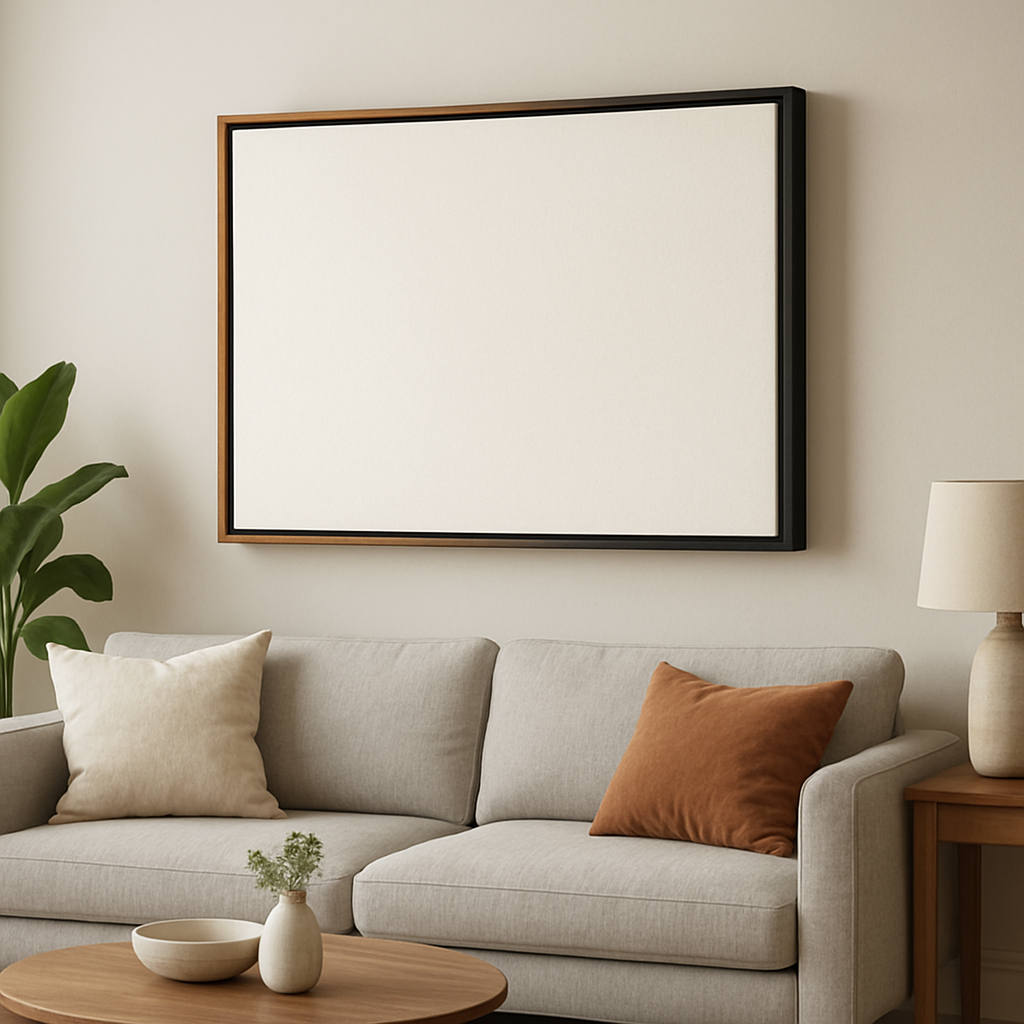
Bottom line: choosing the right floating frame canvas is less about guesswork and more about aligning size, light, material, and durability with the person you’re gifting. When you balance those factors, the final piece doesn’t just hang on a wall – it hovers in memory.
Caring for and Maintaining Your Floating Frame Canvas
We all know that first thrill of hanging a floating frame canvas – that tiny gap, the soft shadow, the way the image seems to hover. But the excitement can fizzle if dust settles or the frame warps. So, how do you keep that "what is a floating frame canvas" magic alive for years?
Start with the environment
Think about where the piece lives. Direct sunlight is a silent enemy; even a few hours a day can fade matte inks by up to 15% over a year. If the wall faces a sunny window, consider sheer curtains or UV‑filtering film. Parents love a nursery that gets natural light, but a thin linen curtain does the trick without darkening the room.
Humidity is another hidden culprit. Wood frames love a stable 40‑55% relative humidity, while MDF can swell when the bathroom gets steamy. A simple hygrometer on the wall gives you a daily read – if you’re above 60%, swap the piece to a cooler hallway or choose a metal float instead.
Gentle dusting routine
Dust loves the crevices between the canvas and the frame. Grab a soft, lint‑free microfiber cloth and give the frame a quick swipe once a week. For the gap itself, a small, handheld brush (the kind you use for keyboards) sweeps away particles without pushing them deeper.
When you notice a thicker layer of grime – maybe after a family gathering – a barely dampened cloth (just water, no cleaners) can wipe the wood or metal. Dry immediately with a clean cloth; water left on wood can cause warping over time.
Cleaning the canvas surface
The canvas face is usually matte, which means you don’t want harsh chemicals. A dry microfiber cloth removes fingerprints and light dust. For stubborn smudges, lightly mist the cloth with distilled water, then blot gently. Never spray water directly on the canvas; the moisture could seep into the edges and weaken the stretch.
Imagine a spouse who accidentally brushed a coffee ring on a honeymoon landscape. A quick dab with a damp cloth, followed by a dry swipe, saved the image without a professional touch.
Check the hanging hardware
Even the best frame can wobble if the hook shifts. Every few months, give the picture hook a tug. If it feels loose, remove the canvas, tighten the nail or replace the screw with a wall anchor appropriate for your wall type (drywall, plaster, brick). For heavier pieces (over 15 lb), add a second hook – it distributes weight and reduces stress on the frame.
One real‑world tip from a busy mom: she kept a small screwdriver in the kitchen drawer just for quick hardware checks on the kids’ art gallery. A minute of maintenance prevented a sudden slip during bedtime story time.
Mind the floating gap
If the gap looks uneven, it’s often a shim issue. A thin poplar strip (about ¼‑inch thick) slipped on the low side restores balance. The shim stays hidden behind the frame, but it makes the canvas sit level, preserving that clean “floating” illusion.
Picture this: you’ve just gifted a set of three family portraits for a hallway. One piece looks a tad lower because the wall isn’t perfectly flat. A quick shim adjustment levels the trio, and the whole display feels intentional.
Seasonal care checklist
- Spring: Dust the frame, inspect for any humidity‑related swelling.
- Summer: Check UV exposure; add curtains if needed.
- Fall: Tighten hanging hardware after holiday décor changes.
- Winter: Keep the room’s humidity steady; use a humidifier if the air is dry.
Following a seasonal rhythm keeps your floating frame canvas looking fresh, no matter how many birthdays or anniversaries pass.
When to call a professional
If you notice any warping, cracks in the canvas, or persistent moisture damage, it’s time to bring in a framer. A quick visit can re‑stretch the canvas and replace any compromised frame pieces, extending the artwork’s life for years to come.
Bottom line: caring for a floating frame canvas is mostly about low‑effort habits – gentle dusting, stable humidity, and occasional hardware checks. Treat it like you would a favorite piece of jewelry: a little polish now, and it’ll keep sparkling for the whole family.
Conclusion
So, what is a floating frame canvas? In short, it’s a canvas that hangs slightly away from the wall, giving the illusion that the artwork is hovering. That subtle gap does more than look cool – it adds depth, protects the edges, and makes any room feel a touch more curated.
If you’ve followed the guide, you already know the basics: pick the right material, measure the gap, use a sturdy hook, and check humidity. Those low‑effort habits turn a simple gift into a lasting keepsake that your family or spouse will admire for years.
Remember this quick checklist:
- Choose matte 380 gsm canvas for glare‑free viewing.
- Match frame depth (¾‑1 in) to canvas thickness.
- Hang with pre‑drilled keyhole slots and level the piece.
- Dust the frame weekly and keep humidity steady.
- Add a thin shim if the wall isn’t perfectly flat.
Does this all sound doable? Absolutely. A floating frame canvas is one of those “big impact, small effort” projects that fits perfectly into a busy parent’s schedule or a thoughtful spouse’s surprise.
When you’re ready to order, heartful.gifts makes the whole process painless – just pick your photo, select the frame, and let us handle the rest. Happy hanging, and enjoy the floating magic on your wall.
FAQ
What exactly is a floating frame canvas?
A floating frame canvas is a canvas that’s mounted so the frame grips the front edge of the artwork, leaving a visible gap between the canvas surface and the frame. This gap creates the illusion that the image is hovering off the wall, adding depth without extra hardware. Because the canvas isn’t recessed into a rabbet, the full edge of the print stays visible, which is why many gift‑givers love it for personal photos.
How do I hang a floating frame canvas safely?
Start by measuring the exact center of the wall space and marking the spot for a picture hook. Most of our frames include pre‑drilled keyhole slots that line up with a single sturdy hook; for pieces over 15 lb, add a second hook spaced evenly. Use a level to make sure the marks are even, then hammer the nails flush with the wall. Finally, slide the canvas slot over the hook, step back, and adjust until the floating gap looks even.
Is a floating frame canvas safe for a child’s bedroom?
Yes, it’s actually a great fit for nurseries and kids’ rooms because the frame is lightweight and the canvas sits a few millimetres away from the wall, reducing the chance of accidental bumps. Choose a hardwood or sealed metal frame for durability, and keep the hanging hardware secure with two hooks if the piece is larger than 20 lb. Regularly dust the gap with a soft brush to keep it looking fresh.
Can I customize the size and depth of a floating frame canvas?
Absolutely. Our platform lets you upload any high‑resolution image and select from standard canvas sizes or enter custom dimensions up to 48×60 in. When you choose a thicker gallery‑wrapped canvas, we automatically recommend a deeper frame – typically 1 in or 1¼ in – so the floating gap stays proportional. If you need an unusual depth, a simple shim can be added during assembly to keep the hover effect consistent.
Do I need special cleaning products for a floating frame canvas?
No special chemicals are required. Because the canvas face is matte, a dry microfiber cloth removes most dust. For stubborn fingerprints, lightly mist the cloth with distilled water and blot gently – never spray directly onto the canvas. The frame can be wiped with a barely damp cloth; wood should be dried immediately to avoid warping, while metal frames tolerate a bit more moisture. A quarterly check of the hanging hardware keeps everything stable.
What’s the difference between a floating frame and a traditional picture frame?
A traditional frame has a recessed rabbet that hides part of the artwork’s edge, often requiring a mat board to fill the space. A floating frame, on the other hand, mounts the canvas from the front, exposing the full perimeter and creating a shadow gap that adds visual depth. This design means you get a cleaner look, easier swapping of images, and less material waste – perfect for frequent gift‑givers who like to change the picture seasonally.
Where can I order a custom floating frame canvas?
You can order a fully custom piece directly from heartful.gifts, where the design tool lets you upload your photo, pick the frame colour and depth, and preview the floating gap before checkout. Shipping includes a pre‑drilled keyhole slot and a sturdy picture hook, so you’re ready to hang straight out of the box. If you need extra guidance, our FAQ and support pages walk you through each step.